Winter Wonderland Turns Traffic Nightmare in Himachal Pradesh
The picturesque hill station of Manali in Himachal Pradesh transformed into a breathtaking winter wonderland after receiving the season's first significant snowfall. However, this natural spectacle quickly descended into chaos as massive traffic disruptions left thousands of tourists and residents stranded in freezing conditions for extended periods, highlighting the challenges of winter tourism in the region.
Tourists Stranded for Over 25 Hours in Freezing Conditions
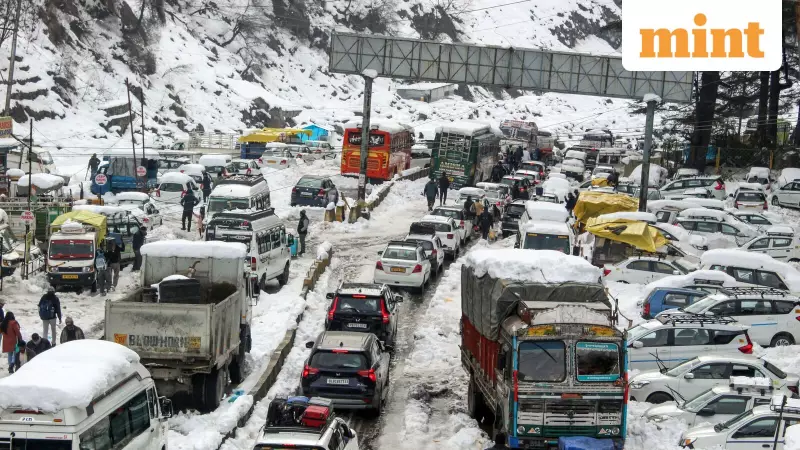
According to numerous social media reports and eyewitness accounts, the traffic disruption began on Friday evening as a large influx of visitors arrived ahead of the long weekend. Videos circulating online revealed alarming scenes of vehicles buried under thick layers of snow along narrow hill roads, with traffic queues stretching for kilometers. Many travellers reported being trapped inside their vehicles throughout the night as traffic came to a complete standstill in sub-zero temperatures.
The official Himachal Pradesh tourism handle, @GoHimachal, issued a stark warning to potential visitors, sharing a video with the caption: "Think twice before coming to Manali during heavy snowfall. People stuck in traffic jams for 25+ hours in sub-zero temperatures." This advisory highlighted the severity of the situation as authorities struggled to manage the unprecedented congestion.

Unprecedented Snowfall Creates Historic Conditions
Local residents reported that the intensity of snowfall was particularly remarkable, with some areas experiencing conditions not seen in decades. Nikhil Saini, a social media user, shared concerning footage from his cousin's hotel in Manali, stating: "Just received this from my cousin's hotel in Manali. Look at the amount of snow. Such snowfall in a single day was last seen after decades. Even areas that had not seen snow for the last 4 to 5 years witnessed snowfall yesterday."
Roads leading into Manali were among the worst affected, with traffic jams extending up to 15 kilometers in length. Continuous snowfall significantly hampered road-clearing operations, making it difficult for officials to ease the congestion despite their best efforts. The combination of heavy tourist influx and extreme weather conditions created a perfect storm of logistical challenges.
Weather Warnings and Government Advisories Issued
The Himachal Pradesh government issued comprehensive advisories across the state as an active western disturbance continued to affect the region. The Meteorological Office confirmed that this weather system "would remain active till Sunday," bringing additional spells of rain and snowfall between January 26 and 28. This forecast suggested that relief might not come immediately for those already stranded.
Authorities also issued a yellow alert for dense fog and cold wave conditions in multiple districts including Kangra, Mandi, Solan, Una, Bilaspur, Hamirpur, and Sirmour. The government strongly advised people to avoid non-essential travel and strictly follow official guidelines amid the harsh weather conditions. These warnings emphasized the broader impact of the weather system beyond just the immediate Manali area.
Broader Implications for Winter Tourism Management
This incident raises important questions about infrastructure preparedness and tourism management during extreme weather events in popular hill destinations. While snowfall attracts tourists seeking winter experiences, the resulting traffic chaos and safety concerns demonstrate the need for better planning and coordination between tourism authorities, transportation departments, and weather forecasting agencies.
The situation in Manali serves as a cautionary tale for other popular winter destinations across India, highlighting the delicate balance between promoting tourism and ensuring visitor safety during unpredictable weather conditions. As climate patterns continue to evolve, such incidents may become more frequent, necessitating updated protocols and infrastructure improvements to handle similar situations in the future.