Mamata Banerjee Launches Scathing Attack on BJP and Election Commission Over Voting Rights
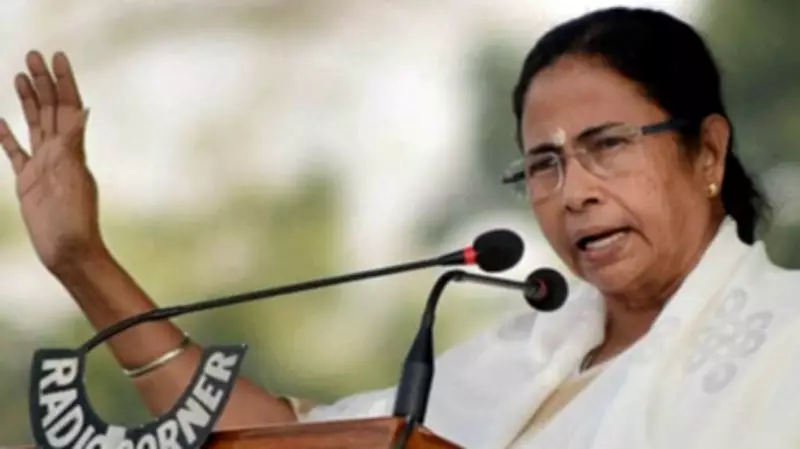
In a fiery statement on March 25, 2026, West Bengal Chief Minister Mamata Banerjee has accused the Bharatiya Janata Party-led central government and the Election Commission of India of actively snatching away the voting rights of citizens. This dramatic allegation comes as political tensions escalate in the lead-up to the crucial West Bengal Assembly Elections scheduled for later in 2026.
A Dire Warning About Citizenship and NRC
Banerjee did not stop at the voting rights accusation. She issued a stark warning, suggesting that the next logical step in this alleged campaign would be attempts to strip away the citizenship of individuals by imposing the National Register of Citizens (NRC). This connects her criticism directly to one of the most contentious and polarizing policies debated in recent Indian political history.
"Today, voting rights are being snatched," Banerjee stated, framing her argument as a sequence of erosions of democratic safeguards. "Next, they will take away citizenship." Her comments represent a significant escalation in rhetoric, positioning the upcoming state election not just as a political contest, but as a fundamental battle for democratic rights and identity.

The Political Context of the 2026 West Bengal Elections
The West Bengal Assembly Elections of 2026 are poised to be a major electoral battleground. The state has witnessed intense political rivalry between Banerjee's Trinamool Congress and the BJP, which has made significant inroads in recent years. Banerjee's allegations appear strategically aimed at:
- Mobilizing her voter base by framing the BJP as a threat to basic rights.
- Putting the Election Commission's actions under intense public and political scrutiny.
- Shifting the electoral narrative towards issues of constitutional safeguards and federal autonomy.
By invoking the specter of the NRC—a process that has sparked widespread controversy and anxiety, particularly in Assam and Bengal—Banerjee is tapping into deep-seated fears about documentation, belonging, and state power.
Broader Implications for Indian Democracy
This accusation from a sitting chief minister against both the ruling party at the Centre and an independent constitutional body like the Election Commission is unprecedented in its directness. It raises serious questions about:
- The perceived neutrality and operational independence of the Election Commission during heated electoral cycles.
- The use of citizenship and residency as political tools in electoral discourse.
- The health of federal relations between the state of West Bengal and the Union government.
Banerjee's statement, reported by PTI on March 25, 2026, is likely to dominate national political headlines and set the tone for a fiercely contested election season. It underscores the high stakes involved, where charges of undermining democracy are being levied openly, potentially reshaping voter sentiment and alliance strategies in the months to come.