Mamata Banerjee Accuses Probe Agencies of Harassing Locals in Malda Gherao Case
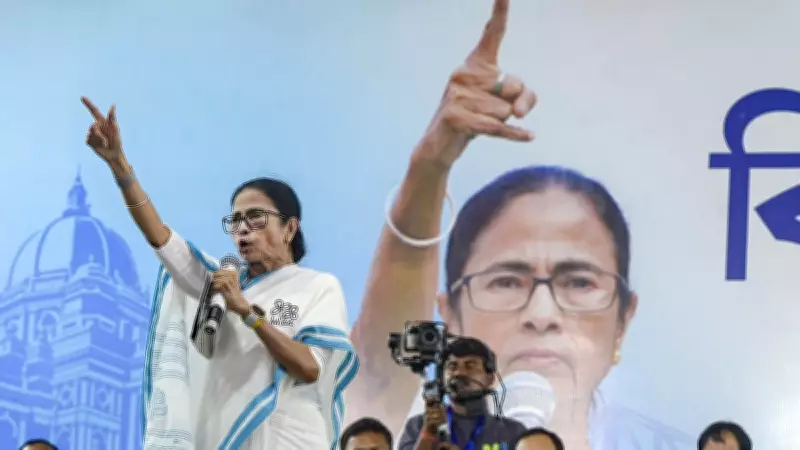
West Bengal Chief Minister Mamata Banerjee has launched a scathing attack on central probe agencies, alleging that they are targeting innocent locals while the real culprits behind a recent gherao incident in Malda have escaped justice. Speaking at an election rally in Manikchak, Malda, Banerjee claimed that investigative bodies are focusing their efforts on harassing ordinary citizens rather than pursuing the actual perpetrators.
Election Rally Remarks Spark Controversy
During her address to a large gathering on April 4, 2026, the Trinamool Congress leader expressed deep concern about what she described as selective targeting by enforcement agencies. "The real culprits have managed to escape, while our local people are being unnecessarily harassed by these probe agencies," Banerjee stated emphatically, drawing cheers from the crowd.
The Chief Minister specifically referenced the Malda gherao case, where protestors had surrounded government officials earlier this year. While details of the incident remain under investigation, Banerjee's comments suggest significant tension between state authorities and central investigative bodies in the run-up to the crucial 2026 West Bengal Assembly elections.

Warning About Judicial Scrutiny
In a particularly noteworthy segment of her speech, Banerjee urged attendees to exercise caution when dealing with judicial officers who are examining cases that fall under the "under adjudication" category following the implementation of the Settlement of Industrial Relations (SIR) framework. "I advise you not to approach judicial officers who are scrutinizing these 'under adjudication' cases post-SIR," she cautioned the assembly.
This warning appears to reflect broader concerns about the intersection of legal proceedings and political developments in West Bengal. Political analysts suggest Banerjee's remarks may indicate apprehension about how judicial processes could impact electoral dynamics in the state.
Political Context and Implications
The timing of Banerjee's comments is significant, coming just as West Bengal prepares for what promises to be a fiercely contested assembly election in 2026. Her criticism of central agencies follows a pattern of escalating tensions between the state government and federal authorities over various investigative matters.
Observers note that Banerjee's rally in Malda represents a strategic effort to consolidate support in a region that has witnessed political volatility in recent years. By positioning herself as a defender of local interests against what she portrays as overreach by central agencies, the Chief Minister appears to be framing the upcoming election as a battle for West Bengal's autonomy.
The Malda gherao case has become a focal point in this political narrative, with Banerjee suggesting that investigative priorities have been misplaced. "Instead of going after those who actually orchestrated these incidents, they're troubling common people who have nothing to do with the matter," she asserted during her speech.
Broader Ramifications for Governance
Banerjee's remarks raise important questions about the relationship between state and central authorities in India's federal structure. Her explicit warning about judicial officers examining post-SIR cases suggests concerns about how legal frameworks are being implemented and potentially politicized.
As the 2026 elections approach, such statements are likely to intensify debates about:
- The appropriate role of central investigative agencies in state matters
- The balance between legal processes and political considerations
- The autonomy of state governments in handling local law and order situations
- The impact of judicial scrutiny on electoral politics
With West Bengal positioned as a key battleground in Indian politics, Mamata Banerjee's comments in Malda have added another layer of complexity to an already charged political environment. How these issues develop in the coming months may significantly influence both the electoral landscape and intergovernmental relations in India.