Mamata Banerjee Launches Scathing Attack on Election Commission Over Voter List Controversy
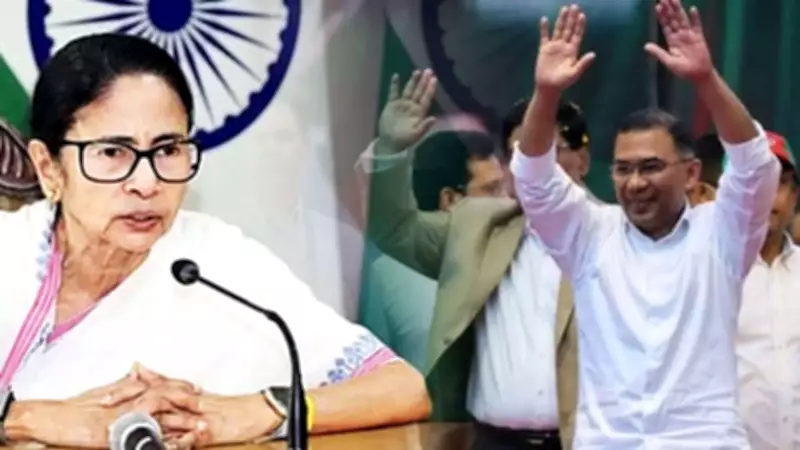
West Bengal Chief Minister Mamata Banerjee has unleashed a fierce political broadside against the Election Commission of India, accusing the constitutional body of functioning like a "Tughlaqi Commission" and operating at the behest of a particular political party. The explosive remarks come amid escalating tensions over the Special Intensive Revision exercise in West Bengal that has seen millions of voters removed from electoral rolls.
"Targeting Citizens Like Terrorists": Banerjee's Strong Accusations
In a dramatic escalation of rhetoric, Mamata Banerjee has alleged that the Election Commission is systematically targeting ordinary citizens and stripping them of their fundamental democratic rights. The Trinamool Congress leader specifically referenced the removal of approximately 58 lakh voters from draft electoral rolls during the Special Intensive Revision process, characterizing this action as an assault on democratic principles.
"The Election Commission is behaving like a Tughlaqi Commission," Banerjee declared, invoking historical references to the arbitrary rule of Muhammad bin Tughlaq. "They are targeting people like terrorists, denying them their basic voting rights that form the bedrock of our democracy."

Allegations of AI Misuse and Political Interference
The West Bengal Chief Minister made startling claims about technological manipulation in the voter list revision process. She alleged that a member of the BJP's IT cell had misused artificial intelligence tools to systematically delete legitimate voter names from electoral rolls, suggesting coordinated political interference in what should be an impartial administrative exercise.
"This is not just administrative oversight," Banerjee emphasized. "This is deliberate targeting of citizens through technological manipulation. When AI is weaponized against democracy, we must raise our voices."
Bangladesh Comparison and Electoral Conduct Questions
In a particularly controversial comparison, Mamata Banerjee cited recent elections in neighboring Bangladesh as an example of peaceful and orderly polling, implicitly questioning the conduct of electoral processes in India. This international reference adds a diplomatic dimension to what has primarily been a domestic political controversy.
The Chief Minister also made grave claims about human costs associated with the voter list revision process, stating that approximately 160 people had died due to stress and anxiety linked to the Special Intensive Revision exercise. While providing no specific evidence for this claim, she framed it as evidence of the process's detrimental impact on ordinary citizens.
Constitutional Crisis and Political Standoff
The remarks significantly intensify the ongoing clash between the West Bengal state government and the Election Commission of India, creating what some observers are characterizing as a constitutional crisis. The confrontation comes at a particularly sensitive political moment, with crucial electoral battles looming on the horizon.
Banerjee offered full protection to state government officials who might face disciplinary action from the Election Commission for their roles in the voter list revision process, further solidifying the state-versus-center dimensions of the controversy.
Broader Implications for Indian Democracy
This escalating conflict raises fundamental questions about:
- The independence and impartiality of constitutional bodies
- The use of technology in electoral processes
- Federal-state relations in electoral administration
- The integrity of voter registration systems
- Political accountability in democratic institutions
The controversy over the Special Intensive Revision exercise in West Bengal has now transformed from an administrative dispute into a major political confrontation with potential implications for India's democratic framework. As both sides dig in their positions, the resolution of this conflict may set important precedents for how electoral authorities and state governments interact during sensitive political periods.