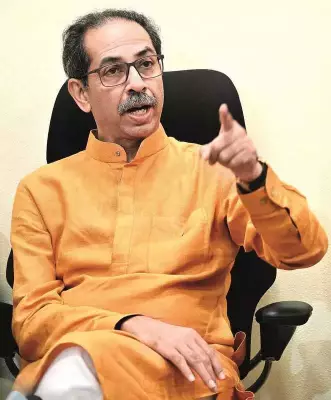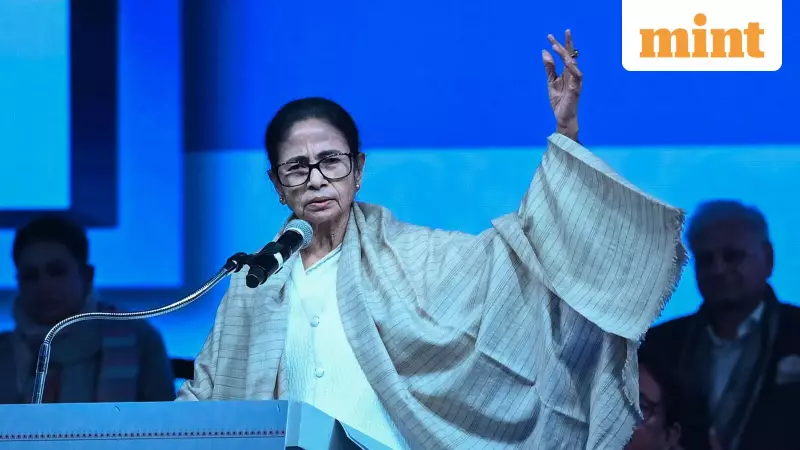
West Bengal Chief Minister Mamata Banerjee celebrates her 71st birthday today, on January 5, 2026. While India has seen several women rise to the top state post, Banerjee's political journey carves out a singular, unprecedented niche in the nation's history.
The Self-Made Leader: A Party Founder and Chief Minister
Mamata Banerjee holds the unique distinction of being the only woman in India to have founded a political party and subsequently become the chief minister while representing that very party. Her ascent is widely regarded as self-made and fiercely independent, marking a significant departure from the paths taken by other prominent women leaders in the country.
She established the All India Trinamool Congress (TMC) in 1998 after parting ways with the Indian National Congress. Her political perseverance paid off when she assumed the chief minister's office in West Bengal in May 2011. Since that landmark victory, she has secured the position for three consecutive terms, demonstrating enduring popular support.

Contrasting Paths: Inheritance vs. Creation
The political landscape of India features other powerful women chief ministers, but their leadership often came through inheritance rather than creation. They took charge of parties built by influential male figures.
Mayawati succeeded her mentor Kanshi Ram as the head of the Bahujan Samaj Party (BSP). J. Jayalalithaa assumed leadership of the All India Anna Dravida Munnetra Kazhagam (AIADMK) following the death of its founder, M.G. Ramachandran. Similarly, Mehbooba Mufti stepped into the leadership role of the People's Democratic Party (PDP) founded by her father, Mufti Mohammad Sayeed.
Other women leaders rose through the ranks of established national parties. The late Sheila Dikshit, India's longest-serving female chief minister until now, was a prominent leader within the Indian National Congress. Her predecessor in Delhi, Sushma Swaraj, was a senior member of the Bharatiya Janata Party (BJP). This pattern continues with leaders like Atishi of the Aam Aadmi Party and Rekha Gupta of the BJP.
A Look at the Numbers
The Indian National Congress has produced five female chief ministers: Sucheta Kripalani (Uttar Pradesh, the nation's first), Nandini Satpathy (Odisha), Anwara Taimur (Assam), Rajinder Kaur Bhattal (Punjab), and Sheila Dikshit (Delhi).
The BJP has also seen five women state leaders: Sushma Swaraj (Delhi), Uma Bharti (Madhya Pradesh), Vasundhara Raje (Rajasthan), Anandiben Patel (Gujarat), and Rekha Gupta (Delhi).
Beyond the major national parties, other regional figures have held the post. The AIADMK had V.N. Janaki Ramachandran, who served as Tamil Nadu's chief minister for a mere 23 days, the shortest tenure for a woman. Rabri Devi led Bihar under the Rashtriya Janata Dal banner, and Shashikala Kakodkar was at the helm in Goa from 1973 to 1979 for the Maharashtrawadi Gomantak Party.
On the Cusp of a New Milestone
Mamata Banerjee is now poised to set a new national record. She is on track to surpass Sheila Dikshit's tenure to become the longest-serving female chief minister in Indian history. If she continues in office until May 2026, as is widely anticipated, she will officially secure this milestone.
It is noteworthy, however, that West Bengal's political history features an even longer-serving chief minister. Communist leader Jyoti Basu held the position for an remarkable 23 years and 137 days before handing over the reins to Buddhadeb Bhattacharjee.
As Mamata Banerjee marks her 71st birthday, her career stands as a testament to a rare model of grassroots political entrepreneurship, setting her apart in the annals of Indian leadership.