Mamata Banerjee Announces Honorarium Increase for Religious Functionaries Ahead of Election Schedule
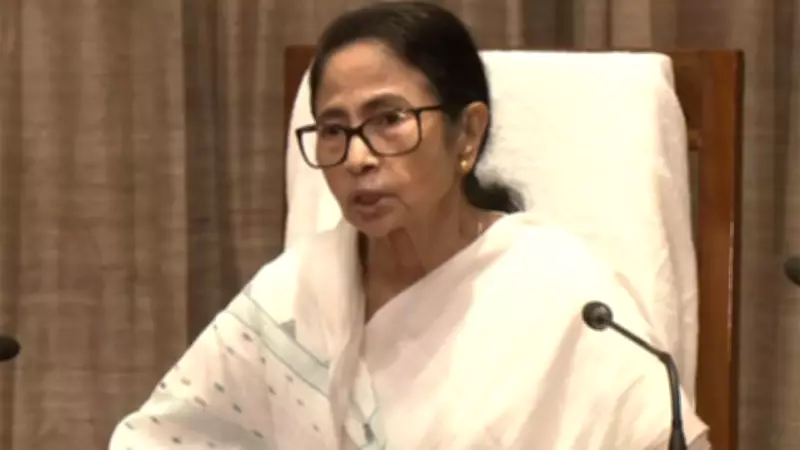
West Bengal Chief Minister Mamata Banerjee on Sunday declared a significant increase in the monthly honorarium provided to priests and muezzins across the state. The announcement, which came just hours before the Election Commission was scheduled to reveal poll dates for multiple states and a union territory, raises the payment by Rs 500 per month.
Details of the Financial Enhancement
In a detailed post on social media platform X, Banerjee confirmed that the state government has decided to increase the monthly honorarium for purohits (priests) and muezzins by Rs 500. With this revision, the monthly payment for both groups will now stand at Rs 2,000, up from the previous amount. The chief minister emphasized that this adjustment reflects the government's commitment to recognizing the vital role played by religious functionaries in sustaining the spiritual and social fabric of communities throughout West Bengal.
Banerjee wrote: "I am pleased to announce an increase of Rs 500 in the monthly honorariums extended to our purohits and muezzins, whose service sustains the spiritual and social life of our communities. With this revision, they will now receive Rs 2,000 per month."
Approval of Pending Applications
In addition to the financial increase, the chief minister revealed that all fresh applications submitted by priests and muezzins seeking the honorarium have been approved by the state government. This comprehensive approval ensures that newly eligible religious functionaries will benefit from the enhanced payment structure without delay.
Banerjee further elaborated on the government's philosophy behind these decisions, stating: "We take pride in nurturing an environment where every community and every tradition is valued and strengthened. Our endeavour is to ensure that those who safeguard the state's spiritual traditions receive due recognition and support."
Timing Relative to Election Schedule
The announcement came shortly before the Election Commission, led by Chief Election Commissioner Gyanesh Kumar along with Election Commissioners Sukbir Singh Sandhu and Vivek Joshi, was expected to announce the schedule for assembly elections in Tamil Nadu, West Bengal, Kerala, Assam, and the Union Territory of Puducherry. The press conference was scheduled for 4 pm in New Delhi.
This timing is particularly significant because once the election schedule is declared, the Model Code of Conduct comes into immediate effect. The Model Code of Conduct prohibits governments from making new policy announcements or financial commitments that could potentially influence voters. By making this announcement before the official declaration, the West Bengal government ensured the honorarium increase could be implemented without violating electoral guidelines.
Broader Implications and Context
The move represents a strategic acknowledgment of the important social role played by religious leaders across different communities in West Bengal. By increasing financial support for both Hindu priests and Muslim muezzins, the government aims to demonstrate equitable treatment of different religious traditions within the state.
This development occurs against the backdrop of impending elections in multiple Indian states, where welfare announcements and financial benefits to specific constituencies often become focal points of political discourse. The honorarium increase for religious functionaries adds another dimension to the pre-election landscape in West Bengal, where the ruling party seeks to consolidate support among diverse community groups.
The comprehensive nature of the announcement—combining both a financial increase and approval of pending applications—suggests a coordinated effort to address longstanding requests from religious communities while positioning the government as responsive to their needs ahead of the electoral process.