Mamata Banerjee Accuses Election Commission of Acting as 'His Master's Voice' in West Bengal
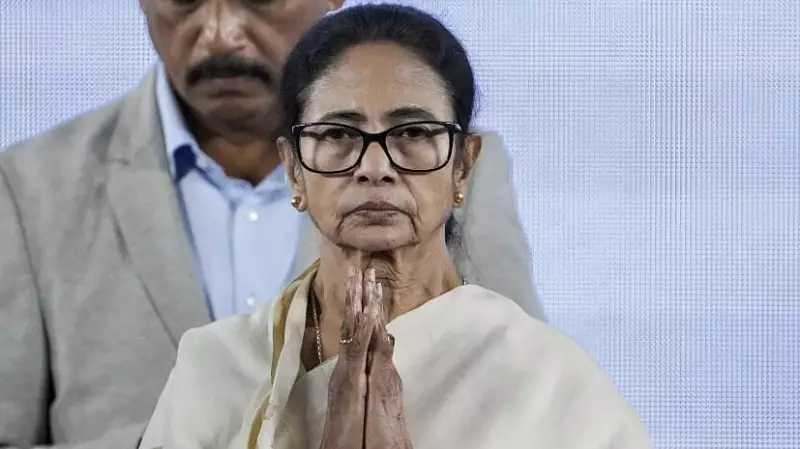
In a sharp critique of the Election Commission of India, West Bengal Chief Minister Mamata Banerjee has alleged that the constitutional body is functioning as 'His Master's Voice', a phrase implying it is merely echoing the directives of a higher authority. This accusation comes amid escalating political tensions in the state, with Banerjee claiming that the EC's actions are systematically bulldozing the opposition and posing a severe threat to the democratic fabric of the nation.
Allegations of Undermining Democratic Processes
Banerjee's remarks highlight a growing concern over the impartiality and autonomy of the Election Commission during election periods. She asserted that the commission's decisions and enforcement measures are not only biased but are actively designed to suppress dissenting voices and opposition parties. This, she argued, erodes the core principles of democracy, where free and fair elections are paramount.
The Chief Minister emphasized that such actions could lead to a destruction of democratic norms, making it difficult for political entities to operate on a level playing field. Her comments reflect broader anxieties within opposition circles about the centralization of power and the potential misuse of electoral mechanisms to favor incumbent regimes.

Context of West Bengal's Political Landscape
West Bengal has been a hotspot of political rivalry, with frequent clashes between the ruling Trinamool Congress and opposition parties. Banerjee's allegations are seen as a strategic move to rally support and draw attention to what she perceives as unfair practices by the Election Commission. The timing of her statement is crucial, as it precedes upcoming electoral exercises in the state, where every move by the EC is under intense scrutiny.
Observers note that such accusations are not uncommon in Indian politics, but Banerjee's direct reference to 'His Master's Voice' adds a provocative layer, suggesting a lack of independence in the commission's functioning. This could influence public perception and fuel debates on electoral integrity.
Implications for Democracy and Governance
The controversy raises important questions about the role of constitutional bodies in upholding democratic values. If the Election Commission is perceived as partial, it could undermine voter confidence and the legitimacy of election outcomes. Banerjee's call to action implies a need for greater transparency and accountability in electoral processes to prevent any erosion of democratic institutions.
In response, the Election Commission has yet to issue a formal statement, but such allegations often prompt discussions on reforms and checks to ensure its neutrality. The situation underscores the delicate balance between maintaining law and order during elections and safeguarding political freedoms.
As West Bengal gears up for future polls, Banerjee's accusations are likely to resonate with her support base and shape the political discourse. The outcome of this confrontation could have lasting effects on how electoral authorities are viewed and their impact on India's vibrant democracy.