Maharashtra Government Reverses 2014 Muslim Reservation Policy
The government of Maharashtra has taken a significant step by scrapping the 5% reservation quota for Muslims in education and government jobs, a decision originally implemented in 2014. This policy reversal marks a pivotal moment in the state's approach to affirmative action and has sparked widespread discussion on its implications.
Background of the 2014 Reservation Decision
In 2014, the Maharashtra government introduced a 5% reservation for Muslims in educational institutions and public sector employment. This move was aimed at addressing socio-economic disparities and providing opportunities for the Muslim community. The policy was part of broader efforts to promote inclusivity and social justice within the state.
Reasons for Withdrawal
The decision to withdraw the reservation stems from several key factors. Primarily, legal challenges questioned the constitutional validity of the quota, arguing that it may not align with existing reservation frameworks under Indian law. Additionally, there were concerns about the implementation and effectiveness of the policy in achieving its intended goals.

Government officials cited the need to review and realign reservation policies to ensure they comply with legal standards and serve the broader public interest. This withdrawal reflects a reassessment of the state's strategies for social welfare and equity.
Impact on the Muslim Community
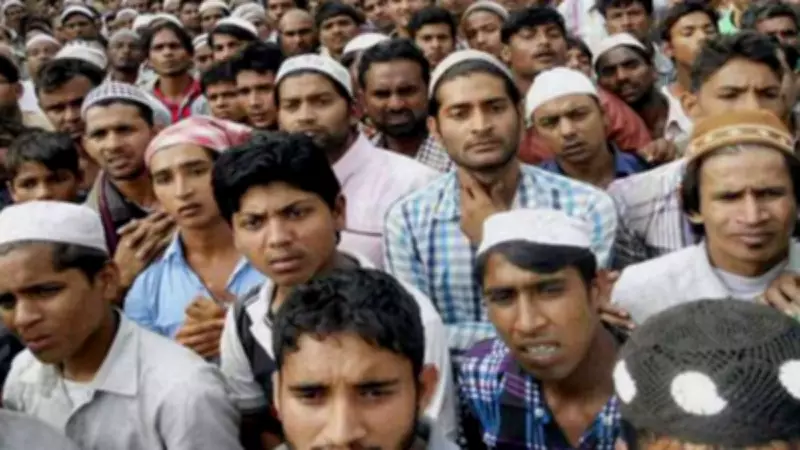
The scrapping of the reservation is expected to have a direct impact on the Muslim community in Maharashtra, potentially affecting access to education and employment opportunities. Community leaders and activists have expressed disappointment, emphasizing the need for continued support to address historical disadvantages.
However, the government has indicated that alternative measures may be considered to support marginalized groups, though specific plans have not been detailed yet.
Legal and Political Reactions
The decision has elicited mixed reactions from various stakeholders. Legal experts are analyzing the implications for future reservation policies, while political parties are debating the move's alignment with constitutional principles and social justice objectives.
Some view the withdrawal as a necessary correction to maintain the integrity of reservation systems, while others criticize it as a setback for minority rights and inclusivity efforts in the state.
Future Implications
This policy change could influence similar reservation debates across India, setting a precedent for how states handle affirmative action for religious minorities. It underscores the ongoing tension between social welfare initiatives and legal frameworks in India's diverse socio-political landscape.
As Maharashtra moves forward, the focus will likely shift to developing new strategies to promote equity without compromising constitutional mandates, ensuring that all communities have fair access to opportunities.