Maharashtra Government Implements Mandatory Marathi Test for Auto and Taxi Drivers
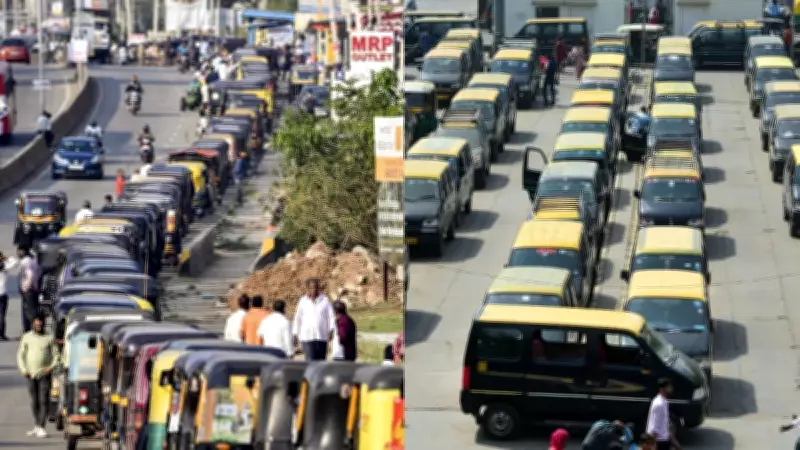
The Maharashtra government has announced a significant new requirement for auto-rickshaw and taxi drivers operating within the state. As part of a comprehensive permit review process, all drivers must now pass a Marathi language proficiency test to obtain or renew their permits. This policy change aims to enhance communication and service standards for passengers, particularly in urban areas like Mira-Bhayandar, where the review is set to commence.
Details of the Marathi Language Test Mandate
The mandate stipulates that drivers must demonstrate basic proficiency in Marathi, the official language of Maharashtra. The test will assess skills in speaking, reading, and writing Marathi at a fundamental level, ensuring drivers can effectively interact with local commuters. This move is seen as a step toward promoting regional language use and improving passenger safety and convenience. Authorities have emphasized that the test is designed to be accessible, with preparatory materials and training sessions planned to assist drivers in meeting the new standards.
Permit Review Process in Mira-Bhayandar
The permit review process is scheduled to begin in Mira-Bhayandar, a key suburban area in the Mumbai Metropolitan Region. This initiative involves a thorough evaluation of existing permits, including checks for compliance with updated regulations such as the Marathi test. Drivers who fail to pass the language test may face delays or denials in permit renewals, potentially impacting their ability to operate legally. The government has stated that this review will be rolled out gradually across other regions of Maharashtra, with Mira-Bhayandar serving as a pilot project to assess implementation challenges and outcomes.

Impact on Drivers and Public Response
This policy has sparked mixed reactions among driver communities and the public. Supporters argue that it will foster better customer service and cultural integration, while critics express concerns about potential hardships for non-native Marathi speakers. The government has responded by highlighting exemptions for drivers with disabilities or those from linguistic minority groups, though specific criteria are still under development. Industry associations are calling for clear guidelines and support mechanisms to ensure a smooth transition, as the mandate could affect thousands of drivers reliant on auto-rickshaw and taxi services for their livelihoods.
Broader Implications for Transportation in Maharashtra
The introduction of the Marathi test is part of a broader effort by the Maharashtra government to modernize and regulate the transportation sector. It aligns with existing policies aimed at improving driver professionalism and passenger experience. Experts suggest that this could set a precedent for other states to implement similar language-based requirements, though its success will depend on effective execution and stakeholder cooperation. As the permit review unfolds in Mira-Bhayandar, all eyes will be on how this policy shapes the future of public transport in Maharashtra and beyond.