Maharashtra Grapples with Over 1.17 Lakh Missing Women and Girls in Two-Year Period
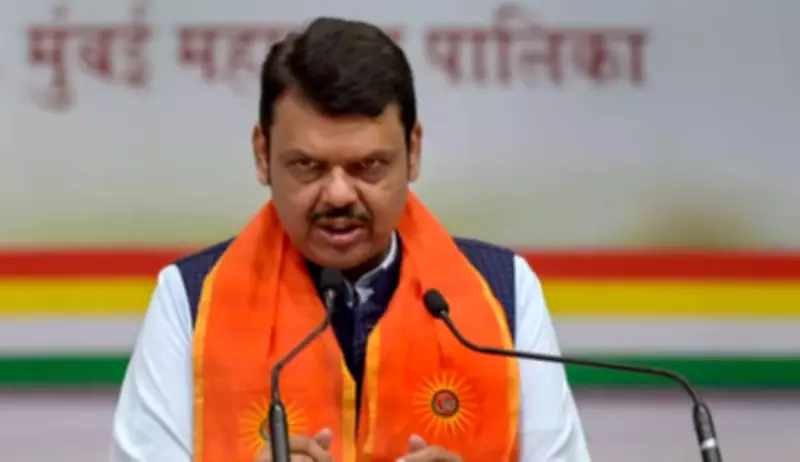
In a startling revelation, Maharashtra Chief Minister Devendra Fadnavis has disclosed that the state recorded more than 1.17 lakh cases of missing women and minor girls over the past two years. This alarming data underscores a severe public safety crisis, raising urgent concerns about the welfare and protection of vulnerable populations in one of India's most populous states.
Official Data Highlights Disturbing Trend
According to the official figures presented by CM Fadnavis, the total number of missing women and minor girls in Maharashtra reached a staggering 1,17,000 during the two-year timeframe. This statistic includes both adult women and girls under the age of 18, pointing to widespread issues that may involve trafficking, abduction, or other criminal activities. The sheer volume of cases has prompted calls for immediate action from law enforcement and social welfare agencies.
Government Response and Challenges
Chief Minister Devendra Fadnavis emphasized the gravity of the situation, noting that the state government is actively working to address this crisis through enhanced policing and support mechanisms. However, challenges persist, including resource constraints, coordination gaps between different agencies, and the complex nature of such cases, which often span multiple jurisdictions. The government has pledged to strengthen investigation protocols and improve tracking systems to locate missing individuals more effectively.

Implications for Public Safety and Policy
The high number of missing persons, particularly women and minors, signals a critical need for robust public safety measures in Maharashtra. Experts suggest that this trend could be linked to broader societal issues such as poverty, lack of education, and gender-based violence. Policymakers are urged to implement comprehensive strategies, including community awareness programs, better victim support services, and stricter enforcement of laws against trafficking and exploitation.
Looking Ahead: Steps to Mitigate the Crisis
To combat this alarming trend, Maharashtra authorities are exploring several initiatives, such as increasing patrols in high-risk areas, leveraging technology for real-time monitoring, and collaborating with non-governmental organizations to provide rehabilitation for rescued individuals. The state government's commitment to transparency in reporting these cases is seen as a positive step, but sustained efforts will be crucial to ensure the safety and security of all citizens, especially the most vulnerable.