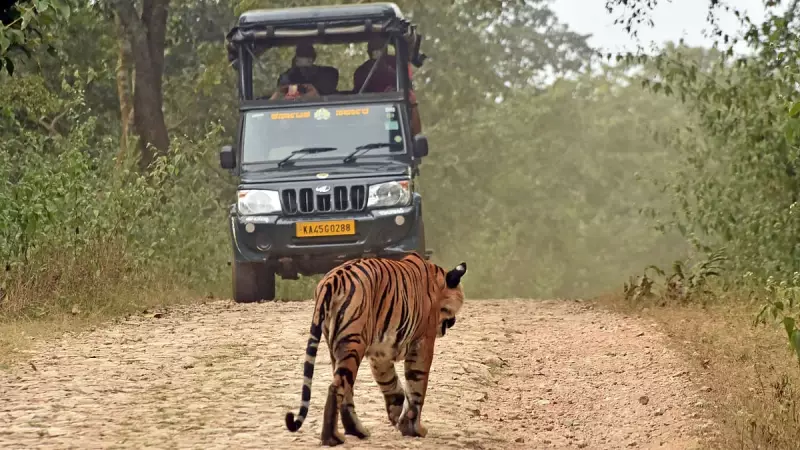
In a significant move for forest communities and conservation, wildlife activists in Karnataka have proposed a new model for wildlife tourism. They are advocating for safari operations in the state's forests to be managed directly by local residents. This proposal aims to create a sustainable system benefiting both people and wildlife.
A Dual Benefit Proposal for Forest Management
The activists outline two primary advantages of their proposal. Firstly, it promises to provide a stable source of involvement and livelihood for communities living in and around forest areas. By training and employing locals as safari guides and operators, the plan directly channels tourism revenue back into the forest communities. This economic empowerment is seen as crucial for sustainable development.
Secondly, the model is designed to bolster the efforts of the state's Forest Department. With locals taking on the responsibility of conducting safaris, department personnel would gain extra support. This would allow them to focus more intensely on their core, critical duties: the protection and conservation of forest ecosystems and wildlife.

Implementation and Future Vision
The proposal has been formally presented, with discussions ongoing. The news was reported on 04 January 2026, indicating a forward-looking plan for the state's wildlife tourism policy. Proponents believe that integrating local knowledge with formal training can enhance the safari experience for visitors while ensuring stricter adherence to conservation protocols.
This community-based approach could transform the relationship between forest dwellers and wildlife authorities. It fosters a partnership where locals become active stakeholders in conservation, rather than passive observers or perceived obstacles. The success of such a model in Karnataka could set a precedent for other forest-rich states in India.
The activists' pitch underscores a growing global recognition that successful long-term conservation is often intertwined with the socio-economic well-being of local communities. The coming months will be key in determining how this proposal is received and whether it moves towards pilot implementation in select wildlife zones of Karnataka.