Kumaraswamy Appeals to Andhra CM for Critical Krishna River Water Supply
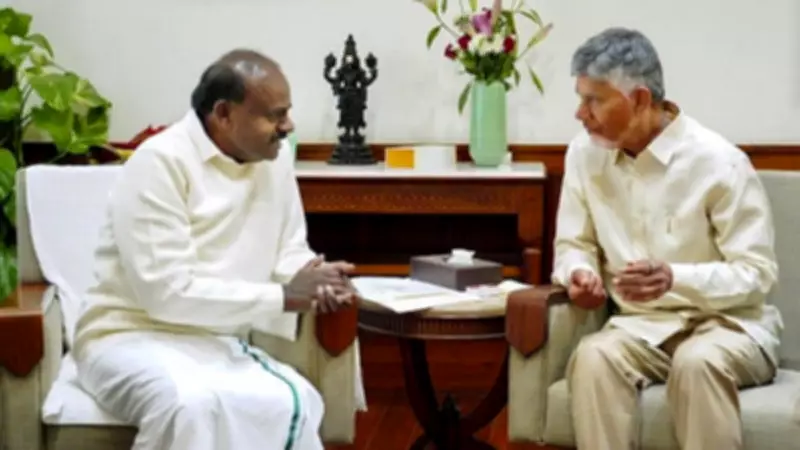
In a significant inter-state appeal, former Karnataka Chief Minister and senior political leader HD Kumaraswamy has formally requested Andhra Pradesh Chief Minister N Chandrababu Naidu to urgently supply water from the Krishna river to three severely affected districts in Karnataka. The districts of Kolar, Chikkaballapura, and Bangalore Rural are grappling with an unprecedented drinking water crisis, prompting this direct plea for humanitarian assistance.
Addressing a Dire Drinking Water Emergency
Kumaraswamy highlighted the acute and worsening water scarcity plaguing these regions, which share a border with Andhra Pradesh and are situated within the Palar and Pennar river basins. The scarcity has reached critical levels, severely impacting daily life, agriculture, and local economies. Residents are facing immense hardships due to the lack of accessible potable water, with traditional sources drying up and groundwater levels depleting rapidly.
The geographical proximity to Andhra Pradesh makes the Krishna river a viable and crucial source for relief. Kumaraswamy emphasized that this request is not merely a political gesture but a necessary intervention to prevent a full-blown humanitarian crisis. The districts have historically relied on monsoon rains and local water bodies, which have failed to provide adequate supply due to erratic rainfall patterns and over-exploitation.

Strategic and Humanitarian Implications
This appeal underscores the broader challenges of water resource management in South India, where interstate river water sharing remains a complex and often contentious issue. The Krishna river, which flows through multiple states, is a lifeline for millions, and its allocation is governed by longstanding agreements and tribunals.
Kumaraswamy's request brings attention to the urgent need for cooperative federalism in addressing natural resource crises. It calls for a collaborative approach between neighboring states to mitigate suffering and ensure basic human needs are met. The appeal also reflects the growing pressure on state governments to find sustainable solutions to water scarcity exacerbated by climate change and population growth.
Local authorities in the affected districts have reported that tanker supplies are insufficient, and water rationing has become commonplace. Farmers are particularly hard-hit, with crops failing and livelihoods at risk. The situation has sparked protests and appeals for state intervention, making Kumaraswamy's request a timely and critical move.
Looking Ahead: Potential Outcomes and Challenges
While the appeal is rooted in immediate relief, it also opens discussions on long-term water sharing agreements and infrastructure projects. Experts suggest that such crises highlight the need for improved water harvesting, conservation measures, and interstate dialogue to prevent future shortages.
The response from Andhra Pradesh will be closely watched, as it involves balancing its own water needs with humanitarian concerns. Historically, water disputes in the region have been politically sensitive, but Kumaraswamy's appeal frames the issue as one of regional solidarity and emergency aid.
As of the latest updates, there has been no official response from the Andhra Pradesh government, but the request has garnered significant attention from media and civil society groups advocating for water rights and inter-state cooperation.