KRV Chief Narayana Gowda Launches Scathing Attack on Governor Thawarchand Gehlot
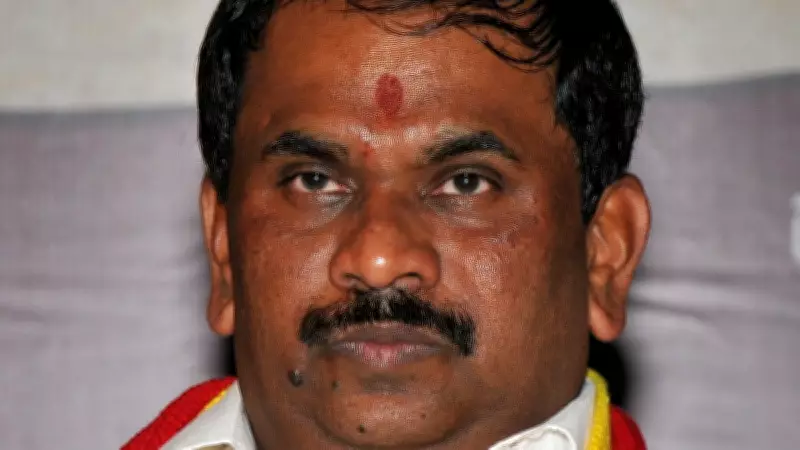
In a fiery response to recent criticism, Karnataka Rakshana Vedike (KRV) President Narayana Gowda has vehemently condemned Governor Thawarchand Gehlot, accusing him of acting as a 'mouthpiece for Hindi imperialist lobbies'. This sharp rebuke comes after Governor Gehlot publicly questioned Karnataka's decision to implement a grading system for the third language in its school curriculum.
Defending Karnataka's Education Autonomy
Gowda staunchly defended the state's prerogative to periodically update and refine its education framework. He emphasized that the shift to a grading system for the third language was not an arbitrary move but was meticulously crafted based on the recommendations of leading education experts. The primary objective, according to Gowda, is to enhance the learning experience and academic outcomes for students across Karnataka.
Key points from Gowda's defense include:

- The grading system aims to reduce unnecessary stress and promote a more holistic assessment of language skills.
- It aligns with modern pedagogical practices that focus on continuous evaluation rather than rote memorization.
- The reform is intended to make language learning more accessible and engaging for students, thereby improving overall educational standards in the state.
Political and Linguistic Implications
This controversy highlights the ongoing tensions between state autonomy and central influence in India's education policy. Gowda's use of the term 'Hindi imperialist lobbies' underscores deep-seated concerns about linguistic imposition and cultural hegemony. The KRV, known for its advocacy of Kannada and regional rights, views the Governor's criticism as an attempt to undermine Karnataka's sovereignty in educational matters.
The debate also touches on broader issues of federalism and the balance of power between state and central governments. Gowda argued that states must retain the freedom to tailor their education systems to local needs and aspirations, without undue interference from external forces.
Expert Recommendations and Student-Centric Reforms
Gowda reiterated that the third-language grading system was developed after extensive consultations with educationists, linguists, and child psychologists. The goal is to create a more equitable and effective framework that recognizes diverse learning paces and styles. By moving away from a rigid marks-based evaluation, the system seeks to:
- Encourage a deeper understanding and appreciation of languages.
- Foster critical thinking and communication skills over mere grammatical accuracy.
- Support students from various linguistic backgrounds, ensuring no one is disadvantaged.
This approach, Gowda asserted, is in the best interest of Karnataka's youth, preparing them for a globalized world while preserving their cultural and linguistic heritage.
Conclusion: A Stand for Regional Identity
The KRV chief's strong words reflect a broader struggle for linguistic and educational self-determination. As Karnataka continues to innovate its education policies, such clashes with central authorities may become more frequent. Gowda's defense not only champions the state's reforms but also sends a clear message about resisting perceived cultural domination. The outcome of this dispute could set a precedent for how other states navigate similar challenges in the future.