KPCC Election Committee Convenes in Thiruvananthapuram to Strategize for Upcoming Assembly Polls
In a significant development ahead of the legislative assembly elections, the Kerala Pradesh Congress Committee (KPCC) election committee held a crucial meeting at its headquarters in Thiruvananthapuram. The gathering marked an important step in the party's preparations for the upcoming electoral battle.
Candidate Selection Process Takes Center Stage
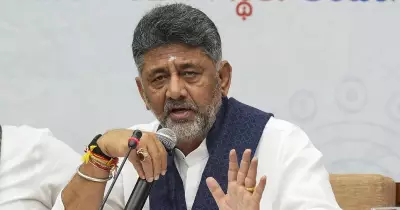
KPCC president Sunny Joseph, while addressing the media on Wednesday, revealed that the committee has assigned the responsibility of preparing a comprehensive list of potential candidates to the KPCC president and opposition leader. This decision forms a critical part of the party's strategy to field strong contenders across constituencies.
The meeting witnessed extensive discussions with various party stakeholders, including members of the KPCC political affairs committee, District Congress Committee (DCC) presidents, KPCC office bearers, sitting MLAs, and heads of allied organizations. Representatives from seven districts participated in Wednesday's deliberations: Thiruvananthapuram, Kollam, Pathanamthitta, Kannur, Kasaragod, Malappuram, and Wayanad.

Continuing Consultations Across Kerala
The consultative process continues on Thursday with planned discussions involving party leaders from three additional districts: Kottayam, Ernakulam, and Alappuzha. This phased approach ensures thorough representation from across Kerala's political landscape.
"Suggestions gathered from party units will undergo careful consideration with senior leaders before being formally presented to the AICC screening committee," Joseph explained. The screening committee will subsequently refine and submit the final candidate list to the party's high command for approval.
Streamlining Communication for Timely Decisions
Joseph emphasized that maintaining open communication channels with district leaders represents a deliberate effort to expedite the candidate selection process. This approach aims to ensure timely decision-making while incorporating grassroots perspectives into the final candidate roster.
When questioned about media reports suggesting that Members of Parliament might contest in the assembly elections, Joseph clarified that no such decision emerged from the meeting. "The AICC will ultimately take the final decision regarding the candidate list," he stated definitively.
KPCC President Criticizes Ruling Party
Beyond election preparations, Joseph launched a sharp critique against the ruling Communist Party of India (Marxist). He referenced a recent revelation by a district committee member alleging misappropriation of martyr funds by the CPM, describing the disclosure as "shocking."
"Instead of addressing the martyr fund scam allegations, the CPM expelled V Kunhikrishnan, who exposed the issue, from the party," Joseph stated. He further noted that Kunhikrishnan faced attacks and threats following his disclosure, while the matter failed to receive proper discussion in the legislative assembly, with permission for an emergency motion being denied.
Unprecedented Legal Development in Kerala Politics
Joseph highlighted what he termed a historic development in Kerala's political landscape: the inclusion of the CPM party as the 69th accused in the Karuvannur bank deposit fraud case. "This marks the first instance in Kerala's political history where a political party has been named as an accused in such a case," he observed.
The KPCC president challenged the CPM leadership to respond to this development, suggesting that "evidence revealing the CPM's stance on financial matters continues to emerge daily." He also accused the ruling party of attempting to protect accused individuals in the Sabarimala gold theft case, noting that the Kerala High Court has expressed suspicion that delays in filing the chargesheet might represent an effort to shield the accused.
As Kerala's political atmosphere intensifies ahead of assembly elections, these developments signal heightened political activity and increasing confrontations between the state's major political forces.