Four Decades of Unbroken Left Rule in Kerala's Historic Port City
The Kozhikode Municipal Corporation has established a remarkable political record in Kerala, remaining under the continuous control of the Left Democratic Front (LDF) for an unprecedented 45 consecutive years. This represents the longest uninterrupted reign by the CPM-led alliance in any major urban center across the state, creating a political fortress that has withstood numerous electoral challenges.
However, the city's voting patterns reveal a more complex political landscape than mere ideological allegiance. While consistently supporting the LDF in local body elections, Kozhikode's electorate has simultaneously sent Congress candidate M K Raghavan to Parliament for four straight terms since 2009, demonstrating a pragmatic approach to different levels of governance.
Historic Legacy Meets Modern Urban Challenges
Kozhikode boasts a rich historical legacy as a premier global trading hub dating back to the medieval era, serving as the gateway to the Malabar coast for international traders. The city's formal urban governance began early, achieving municipality status in 1866 under the Town Improvement Act of 1865 and eventually becoming a corporation on November 1, 1962.

Despite this long history of urban administration, the city's infrastructure has struggled to keep pace with explosive growth. According to significant international studies, Kozhikode was identified as witnessing the fastest urban growth in India by the UN-Habitat and Lincoln Institute of Land Policy in 2016. The Economist Intelligence Unit further reinforced this trend in 2020, ranking Kozhikode as the fourth fastest-growing urban area globally.
A Tale of Two Cities: Achievements Versus Infrastructure Gaps
The LDF administration points to several notable achievements during its long tenure. The city's community-driven development models, inclusive initiatives, and exceptional public library culture have been highlighted as evidence of strong grassroots movements. During the last five years, Kozhikode earned international recognition by being selected for the Unesco Creative Cities Network as India's first 'City of Literature'.
Additional accomplishments include inclusion in the World Health Organisation's Global Network of Age-friendly Cities and significant advances in achieving last-mile drinking water connectivity for residents.
However, rapid urbanization has magnified existing bottlenecks, particularly in transportation, waste management, and health infrastructure. Opposition parties are campaigning heavily on these issues, pointing to recurring waterlogging in commercial areas, chronic traffic congestion, uneven development across different wards, and the absence of a mass public transport system.
Opposition leader K C Shobitha articulated these concerns, stating: "There have been no forward-looking plans to meet the needs of a fast-growing city. Grandiose announcements are not translated into action. None of the three planned parking plazas has materialized. Basic issues like parking and inadequate public toilets remain unresolved."
She also raised concerns about corruption allegations, including recent controversies surrounding the corporation building renovation, suggesting deeper systemic issues within the administration.
The Political Battle Intensifies Ahead of Civic Polls
Deputy mayor C P Musafar Ahamed defended the LDF's record, arguing that repeated electoral victories demonstrate the public's trust in the front's governance. "Even those who vote on political lines during Lok Sabha and assembly polls trust the LDF when it comes to running the corporation. It is because our governance model is inclusive and participatory," he asserted.
Ahamed countered criticism about delayed projects by blaming the UDF for what he called "baseless vigilance complaints" that stalled major mobility initiatives, including the Link Road parking plaza and the Meenchanda and Medical College bus stands for 15 years. "Those cases have now been closed for lack of evidence, but they cost the city precious years of development," he lamented.

Malabar Development Council president CE Chakkunny highlighted specific infrastructure shortcomings, noting: "The monorail project was announced long ago and around Rs 25 crore was spent. It was changed to Light Metro and it has not gone ahead. The most pressing issue the city faces is traffic congestion."
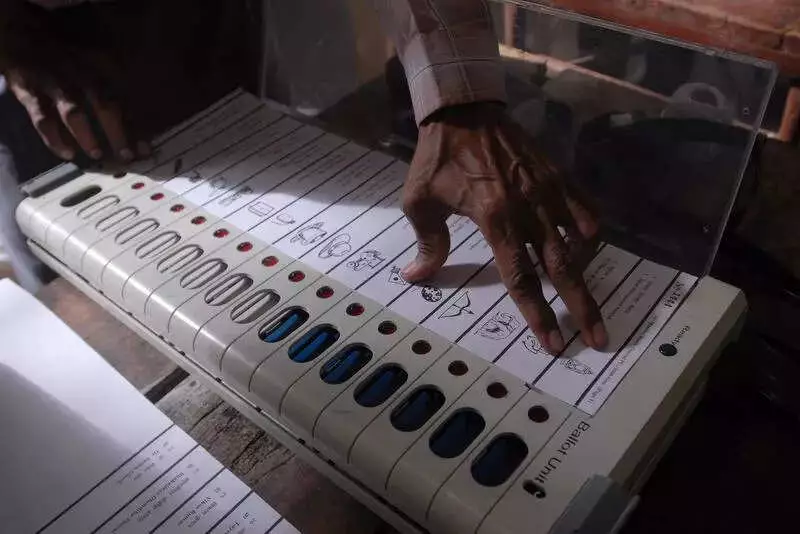
As Kozhikode prepares for another round of civic elections, the debate centers on whether the LDF's legacy of stability and inclusive development outweighs the pressing need for infrastructure modernization in one of India's fastest-growing urban centers.