Retired Kolkata Teacher's Name Deleted from Electoral Roll Despite Valid Documents
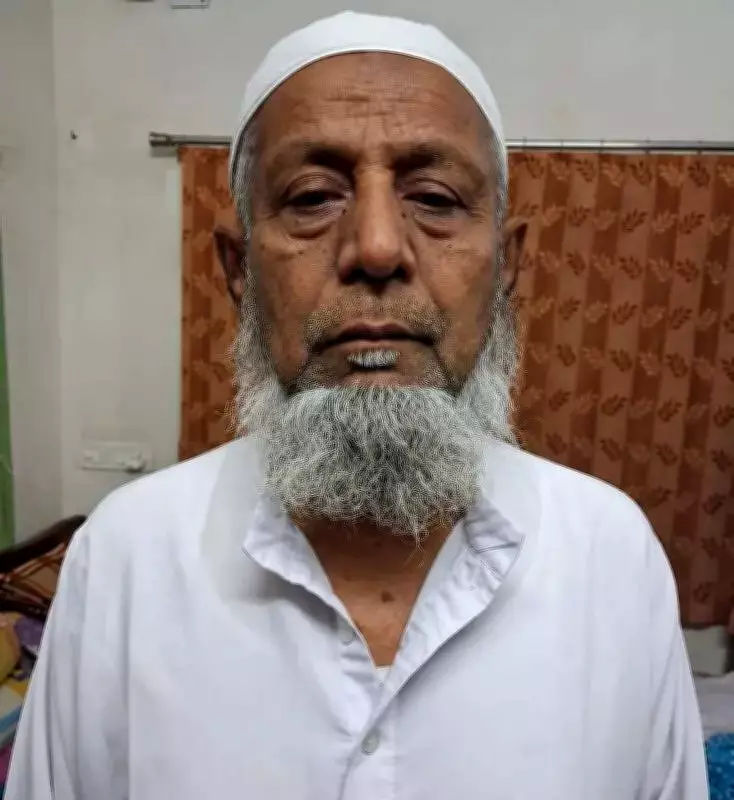
In a distressing incident from Kolkata, a 72-year-old retired schoolteacher with a distinguished 37-year career, including five years as teacher-in-charge, has found his name deleted from the electoral roll, even after presenting valid identification and residency proofs. Sk Asraful Haque, a resident of Khanakul, served as a presiding officer in numerous elections during his tenure, yet now faces the challenge of proving his citizenship to restore his fundamental voting right.
Background and Service Record
Haque dedicated his life to education, working as a teacher and later as teacher-in-charge at Ramchandrapur Adarsha Vidya Bhawan (HS) in Khanakul from 1977 to 2014. His commitment extended beyond the classroom, as he also served as a presiding officer in at least 10 to 12 elections, ensuring the democratic process ran smoothly. Despite this lifelong public service, he is the sole member of his family whose name has been removed from the voters' list, while his wife, daughters, and younger brothers remain enrolled.
Documentation and Hearing Process
The retired teacher, who comes from a family with deep roots in the area, possesses ancestral land records dating back to 1944 and 1958, along with electoral roll documents from 1956 showing his parents' names and his own inclusion in the 2002 roll. When summoned for a hearing at the BDO office without a specified reason, Haque presented a comprehensive set of documents, including educational certificates, passport, land records, pension order, PAN card, Aadhaar card, and bank statements.

Officials at the hearing deemed his passport, land records, and pension order sufficient, instructing him to submit copies and providing a receipt. However, to his dismay, when the updated list was released, he found himself placed under adjudication and subsequently deleted in the supplementary electoral roll.
Appeal and Emotional Toll
Haque has since filed an appeal at the tribunal, expressing frustration and sadness over the situation. At his age, he is forced to navigate bureaucratic hurdles to reclaim his voting right, questioning whether officials properly reviewed his documents. He highlighted the irony of having his name deleted despite holding a passport, land records, and a pension order, which are typically strong proofs of identity and residency.
In an emotional appeal, Haque lamented, "This is the first time that I will not be able to vote while others in my family will vote. It is a sad situation. Does a law-abiding citizen with lifelong public service deserve such harassment?" His case raises broader concerns about the integrity of electoral processes and the treatment of elderly citizens who have contributed significantly to society.
Broader Implications
This incident underscores potential flaws in the electoral roll maintenance system, where even individuals with extensive documentation and a history of civic engagement can face exclusion. It calls for greater scrutiny and transparency in how voter lists are updated and adjudicated, ensuring that citizens' rights are protected without undue hardship.
As Haque continues his fight to restore his voting right, his story serves as a reminder of the importance of safeguarding democratic principles and respecting the contributions of public servants, especially in their twilight years.