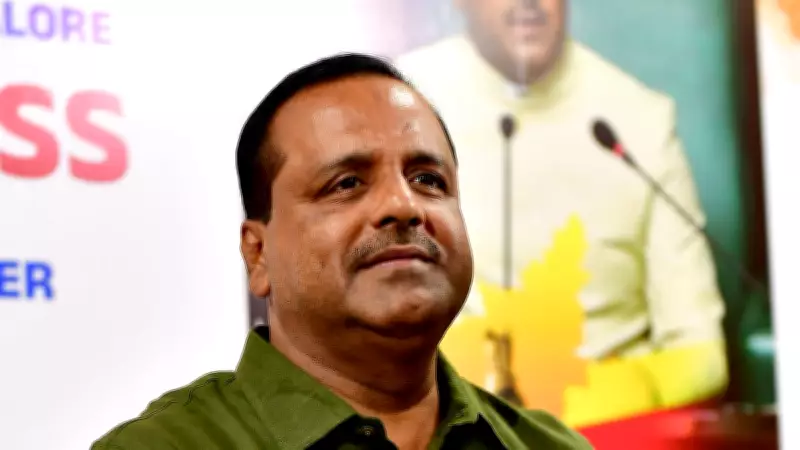
U T Khader Stresses Importance of Ministerial Presence in Karnataka Assembly
In a recent interview, U T Khader, a prominent political figure, highlighted critical issues regarding the functioning of the Karnataka Legislative Assembly. He asserted that the Assembly is primarily a forum for Members of the Legislative Assembly (MLAs), not ministers, and urged ministers to improve their attendance and punctuality to foster better governance.
Assembly as a Platform for MLAs, Not Ministers
Khader pointed out that ministers have the Cabinet for detailed discussions and decision-making, where they can efficiently address administrative matters. "The Assembly isn't for ministers; it's for MLAs," he stated, emphasizing that the legislative body should serve as a space for elected representatives to voice public concerns and hold the government accountable.
He explained that ministers, due to their executive authority, can easily get work done through officers who are obligated to follow their directives. This, he argued, makes it even more crucial for them to prioritize the Assembly, where they can engage directly with MLAs and address legislative issues.

Call for Early Arrival to Enhance Efficiency
Khader specifically called for ministers to arrive early at the Assembly sessions. "If ministers come to the House early, things will improve," he remarked, suggesting that timely participation could lead to more productive debates, quicker resolutions, and enhanced transparency in governance.
He believes that such a practice would not only streamline legislative processes but also strengthen the democratic framework by ensuring that ministers are more accessible and responsive to the needs of MLAs and, by extension, the public.
Implications for Karnataka Politics
This statement comes amid ongoing discussions about the efficiency and accountability of the Karnataka government. Khader's comments underscore a growing demand for better engagement between the executive and legislative branches in the state.
By advocating for ministers to treat the Assembly with greater seriousness, he aims to promote a culture of responsibility and collaboration, which could potentially lead to improved policy-making and public service delivery in Karnataka.