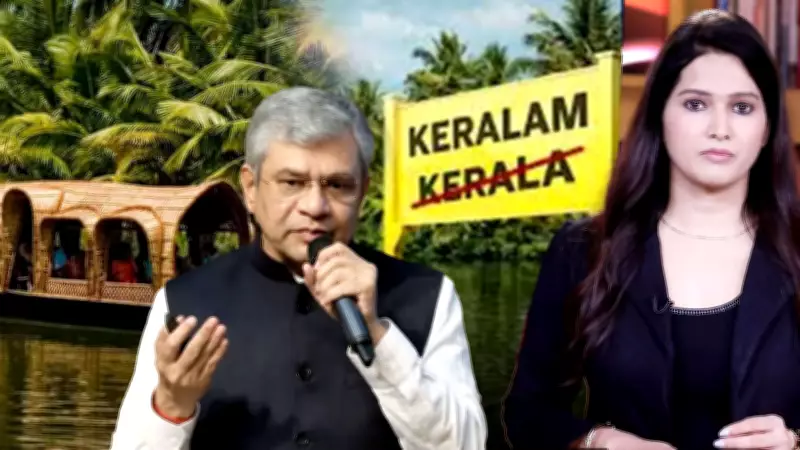
Kerala's Push to Become Keralam: Identity Politics and Electoral Strategy
The debate over renaming Kerala as Keralam has reignited, raising profound questions about identity, language, and political timing in the southern Indian state. This move, which seeks to restore the original Malayalam name, has become a focal point in the lead-up to crucial Assembly elections, highlighting the interplay between cultural heritage and electoral dynamics.
Unanimous Resolution and Linguistic Roots
The Kerala State Assembly has already passed a unanimous resolution advocating for the change from Kerala to Keralam. Proponents argue that "Kerala" is an anglicised version of the native Malayalam word "Keralam," and scholars support this restoration based on linguistic structure and historical accuracy. The resolution emphasizes the importance of preserving linguistic authenticity and cultural identity in the face of colonial-era modifications.
Constitutional Procedure and Federal Approval
Any official renaming requires Parliamentary approval under Article 3 of the Indian Constitution, making this a federal process rather than a unilateral state decision. This step ensures that the change involves careful consideration at the national level, balancing state aspirations with constitutional frameworks. The proposal will not alter state boundaries, governance structures, or everyday administration, but its symbolic significance cannot be understated.
Electoral Implications and Political Timing
With Assembly elections on the horizon, the renaming proposal has taken on clear electoral overtones. Political parties are leveraging this issue to appeal to voters' sense of regional pride and identity, potentially influencing voter sentiment. The timing suggests a strategic move to galvanize support around cultural nationalism, making it a key topic in campaign discourses and public debates.
Historical Context and Symbolic Weight
Historically, the name "Keralam" has deep roots in the region's Malayalam language and traditions, dating back centuries. The push to revert to this original form reflects broader trends in India where states are reassessing colonial legacies and asserting indigenous identities. Symbolically, such changes often carry substantial weight in politics, serving as markers of autonomy and cultural revival.
What This Means for the Future
As the proposal moves toward Parliamentary scrutiny, it will test the balance between state rights and federal oversight. The outcome could set precedents for similar renaming efforts across India, impacting how linguistic and cultural identities are negotiated in the political arena. In the immediate term, it adds a layer of complexity to the electoral landscape, making identity politics a central theme in Kerala's upcoming polls.
In summary, Kerala's bid to become Keralam is more than a mere name change; it is a multifaceted issue intertwining language, history, and politics. With elections approaching, this debate underscores how symbolic gestures can shape electoral outcomes and redefine regional identities in contemporary India.