Kerala Budget Introduces Comprehensive Measures for Unorganised and Gig Economy Workers
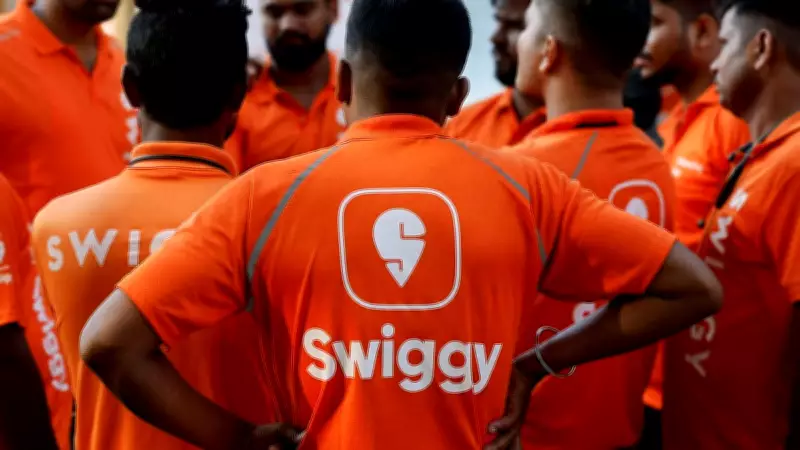
In a significant move aimed at bolstering social security, the Kerala government has unveiled a series of measures in its latest budget, specifically targeting workers in unorganised sectors, including gig economy participants. The announcement comes as part of a broader effort to address longstanding concerns over financial stability and retirement benefits for these vulnerable groups.
Assured Pension Scheme to Provide Enhanced Retirement Benefits
One of the key highlights of the budget is the introduction of an assured pension scheme designed to offer substantial support to workers. Under this new initiative, eligible individuals can receive a pension of up to 50% of their last basic salary, coupled with dearness relief to account for inflation and cost-of-living adjustments. This scheme is poised to replace or supplement the existing contributory pension system, which has faced widespread criticism for its limitations and inadequate coverage.
The decision to roll out this pension plan stems from numerous complaints and feedback from workers across various unorganised sectors, who have expressed dissatisfaction with the current pension framework. By ensuring a more reliable and generous retirement income, the Kerala government aims to enhance the economic security and well-being of gig workers, freelancers, and others in non-traditional employment roles.

Focus on Unorganised Sectors Amid Evolving Economic Landscape
The budget's emphasis on unorganised sectors reflects a growing recognition of their importance in Kerala's economy, particularly as the gig economy expands and more people engage in flexible, often precarious, work arrangements. These measures are expected to provide a safety net for workers who typically lack access to formal employment benefits, such as health insurance, paid leave, and retirement plans.
In addition to the pension scheme, the budget includes other supportive policies aimed at improving working conditions and financial inclusion for these groups. While specific details of these additional measures were not fully elaborated in the initial announcement, they are likely to encompass training programs, skill development initiatives, and regulatory frameworks to protect workers' rights.
Broader Implications for Social Welfare and Economic Policy
This budget initiative marks a proactive step by the Kerala government to adapt its social welfare policies to the changing nature of work in the 21st century. By addressing the needs of gig workers and the unorganised sector, the state is setting a precedent for other regions in India to follow, potentially influencing national discussions on labour reforms and social security.
The implementation of the assured pension scheme will require careful planning and coordination with various stakeholders, including worker unions, employers, and financial institutions. However, if successfully executed, it could significantly reduce poverty among elderly workers and promote a more equitable economic environment in Kerala.
As the details of the budget are further analysed and rolled out, stakeholders will be closely monitoring the impact of these measures on the ground, with hopes that they will lead to tangible improvements in the lives of thousands of workers across the state.