Kerala Grinds to a Halt as Nationwide Strike Against Labour Reforms Sparks Near-Total Bandh
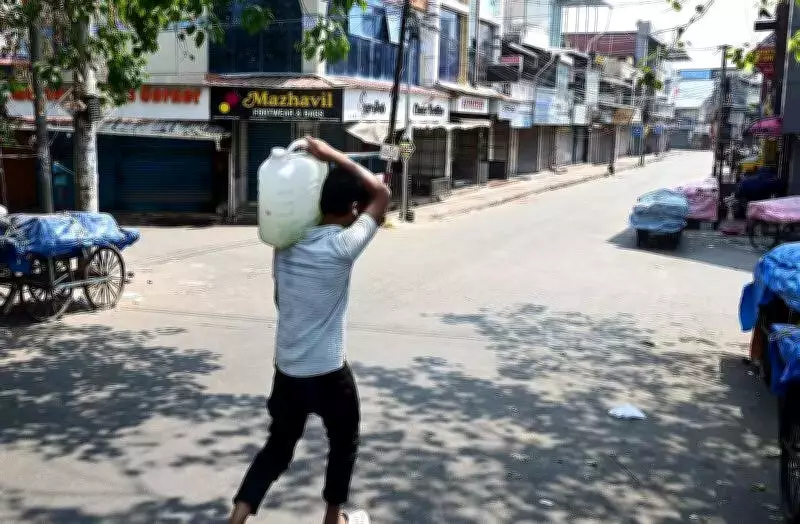
The nationwide strike called by trade unions on Thursday, protesting against the Centre's labour reforms and economic policies, escalated into a near-total bandh in Kerala, bringing normal life to a standstill across the state. While sporadic incidents affecting law and order were reported from various districts, officials confirmed that no major untoward events occurred during the agitation.
Statewide Shutdown and Minimal Government Attendance
Government offices, public transport systems, educational institutions, and the majority of commercial establishments remained closed throughout Kerala. Major towns and cities presented a deserted appearance as vehicles stayed off the roads and shops downed their shutters in compliance with the strike.
At the Secretariat, the administrative headquarters of the state government located in Thiruvananthapuram, attendance was exceptionally low. Official statistics revealed that only 10.76% of employees reported for duty. Out of nearly 4,600 employees, approximately 500 were present, highlighting the widespread impact of the bandh.

Government Declares 'Dies Non' Amid Allegations of Tacit Support
The state government declared the day as 'dies non', a term indicating that absence from work would be treated as a break in service, with potential consequences for employees. However, the Secretariat Action Council, representing organisations that did not participate in the strike, alleged that the state government had extended tacit support to the agitation.
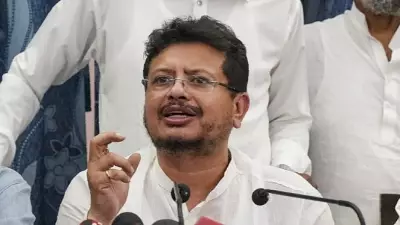
In a strongly worded statement, the council's convener, M S Ershad, described the situation as a 'government-sponsored strike'. He accused the Left government of implementing the Centre's 'anti-worker policies' more aggressively while simultaneously facilitating the strike called by organisations affiliated to it. Ershad also claimed that the order to handle the strike, which commenced at midnight, was issued only 51 minutes in advance, causing confusion and logistical challenges.
The council further alleged that employees who managed to reach the Secretariat faced significant difficulties, as essential facilities like the canteen and coffee house remained closed, leading to inconvenience. This statement was jointly issued by several Secretariat employees' associations, underscoring the internal dissent within government ranks.
Incidents of Obstruction and Violence Across Kerala
Various parts of the state witnessed incidents of obstruction and minor violence related to the strike. A section of teachers who reported for duty following the 'dies non' order were prevented from entering schools, with some institutions being forcibly shut down by strike supporters.
At Nedumangad GHSS, eight teachers were reportedly locked inside the school premises by individuals supporting the bandh. In Neriyamangalam, two workers who reported for duty at a district agricultural plantation were assaulted. Additionally, at the Neyyattinkara KSRTC depot, employees were barred from entering, while in Angamaly, a KSRTC bus arriving with passengers was reportedly turned back, disrupting public transport further.
Police Arrange Special Travel for Stranded Patients
With public transport severely disrupted due to the bandh, police authorities arranged special travel facilities from Thampanoor to the Regional Cancer Centre for patients who were stranded and unable to reach their medical appointments. This intervention aimed to mitigate the humanitarian impact of the widespread strike on vulnerable individuals.
Political Criticism from Congress MP Shashi Tharoor
Congress MP Shashi Tharoor offered sharp criticism of the strike in a social media post. He described it as a 'lamentable irony' that what was billed as a Bharat Bandh effectively became 'merely another Kerala Bandh,' highlighting the disproportionate impact on the state.
Tharoor emphasized, "The right to strike does not include the right to enforce a shutdown on others," adding that paralysing a state and disrupting daily life amounted to an assault on the liberty of common citizens. His remarks reflect broader political tensions surrounding the strike and its enforcement mechanisms.