Kerala Assembly Descends into Chaos Over Sabarimala Gold Heist Probe
In a dramatic turn of events, the Kerala Legislative Assembly in Thiruvananthapuram witnessed intense confrontations on Tuesday, as opposition members staged a protest over the ongoing investigation into the Sabarimala gold heist cases. The session was marked by heated exchanges and physical altercations, leading to multiple adjournments and a tense atmosphere within the hallowed halls of democracy.
Chief Minister Accuses Opposition of Deliberate Disorder
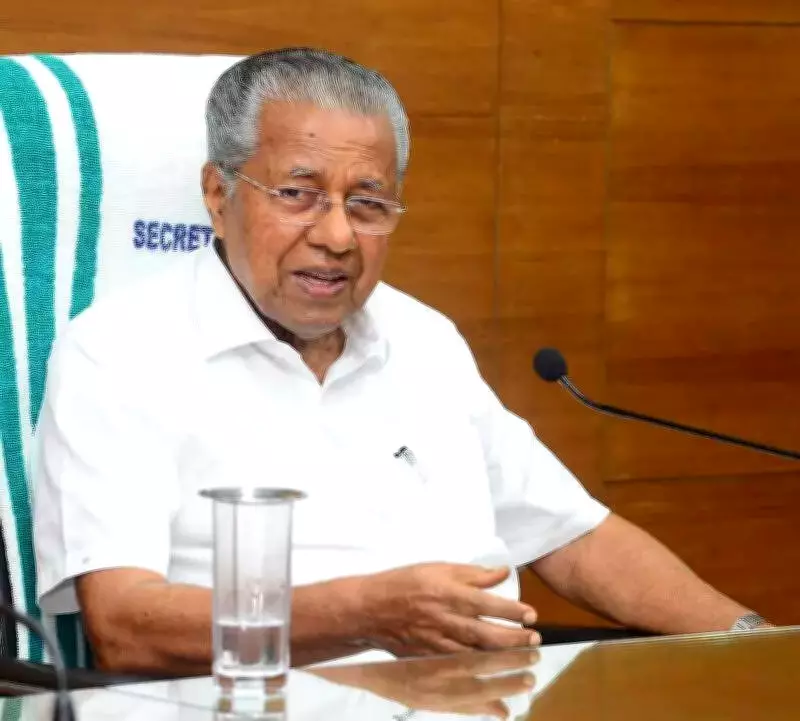
Chief Minister Pinarayi Vijayan launched a scathing attack on the opposition MLAs, accusing them of assaulting watch and ward staff and intentionally creating disorder inside the assembly. He detailed an incident where an opposition member, holding a banner, allegedly struck a watch and ward staff member with a baton. Vijayan emphasized that this act appeared to have escaped the immediate attention of Speaker A N Shamseer, prompting security personnel to intervene.
"We were all watching this happen," Vijayan stated, asserting that the incident occurred without any provocation and was aimed at disrupting the assembly's proceedings. He framed the actions as a blatant attempt to undermine democratic decorum and the functioning of the legislative body.

Opposition Leader Counters with Claims of Provocation
Opposition Leader V D Satheesan swiftly countered the chief minister's allegations, arguing that the confrontation was triggered by provocation from watch and ward personnel. He explained that the protests were fueled by serious doubts over the investigation into the Sabarimala gold heist cases, which have been a point of contention in Kerala politics.
Satheesan added that banner protests were not unprecedented in the assembly and recalled that in such situations, the speaker would typically call representatives from both sides to his chamber to defuse tensions. However, in this instance, the opposition felt compelled to boycott the proceedings and walk out without waiting for Vijayan's reply, highlighting the breakdown in communication and trust.
Speaker Condemns Disruptions and Upholds Democratic Norms
Earlier in the day, as opposition members attempted to rush the speaker's dais amid their protest, watch and ward personnel forcibly seized a banner that was being used to block the speaker's view. This led to the assembly being adjourned twice, further escalating the chaos.
Speaker A N Shamseer addressed the disruptions before the chief minister responded to the opposition's allegations. He strongly condemned the actions, stating that storming the dais violated democratic norms. Shamseer posed a poignant question: "Can democracy be practised by covering the speaker's face with a banner?" He reminded the house that democratic rights extend not only to the opposition but also to the speaker, urging Satheesan to reflect on the conduct of his front.
CM Outlines Status of Sabarimala Gold Heist Cases
When proceedings resumed after the walkout, Chief Minister Vijayan took the floor to outline the status of the Sabarimala gold heist cases. He clarified that the matter is being overseen by a High Court division bench, under whose supervision the Special Investigation Team (SIT) is functioning. Vijayan firmly rejected allegations that the government was putting pressure on the SIT, noting that the High Court had already addressed the opposition leader's claims against the investigative team.
He further emphasized that probe agencies do not act on government instructions and clarified that observations about public doubts in the probe were made by a single High Court judge, not by the government. This statement aimed to dispel any notions of political interference in the judicial process, reinforcing the independence of the investigation.
Broader Implications for Kerala's Political Landscape
The incident underscores the deepening political rift in Kerala over sensitive issues like the Sabarimala gold heist cases. It raises questions about:

- The balance between protest and parliamentary decorum.
- The role of security staff in maintaining order within legislative bodies.
- The transparency and credibility of high-profile investigations.
As both sides stick to their narratives, the episode highlights the challenges in fostering constructive dialogue in a polarized environment. The assembly's ability to function smoothly amidst such tensions remains a critical test for Kerala's democratic institutions.