Kerala Assembly Elections 2026: A Comprehensive Guide to Voting Methods
As the Kerala Assembly Elections 2026 approach, voters across the state are gearing up to exercise their democratic rights. Understanding the various methods of voting is crucial for ensuring a smooth and inclusive electoral process. This guide provides an in-depth look at the different voting options available, from traditional paper ballots to modern electronic systems, helping voters make informed decisions.
Traditional Voting Methods
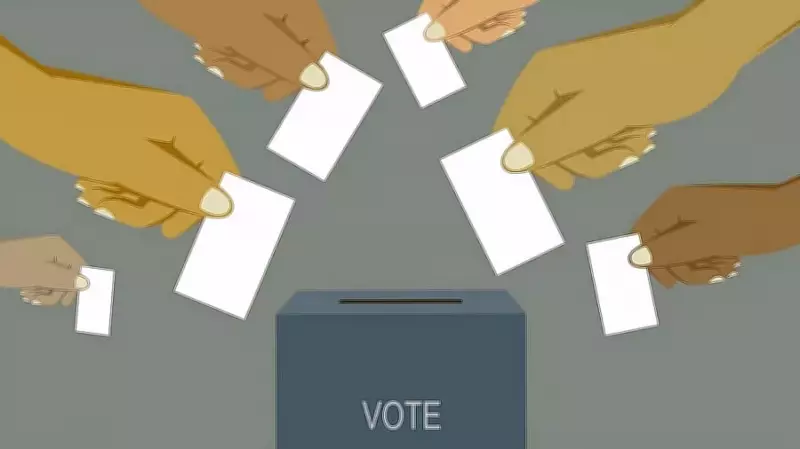
Kerala has a long history of democratic participation, and traditional voting methods remain a cornerstone of the electoral process. The primary method involves paper ballots, where voters mark their choice on a ballot paper and deposit it in a sealed box. This system is known for its simplicity and transparency, as it allows for manual verification and counting. Additionally, postal voting is available for certain categories of voters, such as those in the armed forces, government employees on election duty, and individuals with disabilities. This method enables voters to cast their ballots by mail, ensuring that no one is left out due to physical constraints or professional obligations.
Electronic Voting Machines (EVMs)
In recent years, Electronic Voting Machines (EVMs) have become a standard feature in Kerala's elections. EVMs are electronic devices that record votes securely and efficiently, reducing the time required for counting and minimizing errors. Voters use a button or touchscreen to select their preferred candidate, and the machine stores the data electronically. EVMs are designed with multiple layers of security to prevent tampering and ensure the integrity of the vote. They are also equipped with Voter Verifiable Paper Audit Trails (VVPATs), which provide a paper receipt for each vote, allowing voters to confirm their choice and enabling audits if needed.

Special Voting Arrangements
To promote inclusivity, the Election Commission of India has introduced special voting arrangements for specific groups. For instance, absentee voting is available for senior citizens, persons with disabilities, and COVID-19 patients, allowing them to vote from home or designated centers. Proxy voting is another option, where a registered voter can authorize a representative to vote on their behalf in certain circumstances, such as illness or absence from the constituency. These measures aim to make voting accessible to all eligible citizens, regardless of their physical condition or location.
Online and Digital Initiatives
With the rise of digital technology, Kerala is exploring online and digital voting methods to enhance voter convenience. While fully online voting is not yet implemented, initiatives like online voter registration and information portals have been launched to streamline the process. Voters can check their registration status, find polling stations, and access election-related updates through official websites and mobile apps. These digital tools help reduce paperwork and make it easier for voters to participate in the electoral process, especially in urban areas with high internet penetration.
Key Steps for Voters
To ensure a hassle-free voting experience, voters should follow these essential steps:
- Register Early: Complete voter registration well before the election date to avoid last-minute issues.
- Verify Details: Check your name on the electoral roll and confirm your polling station location.
- Choose Your Method: Decide whether to vote in person, by post, or through special arrangements based on your eligibility.
- Carry Identification: Bring a valid ID proof, such as a voter ID card, Aadhaar card, or passport, to the polling station.
- Follow Guidelines: Adhere to election rules, such as maintaining secrecy and avoiding prohibited activities near polling booths.
By understanding these voting methods and preparing accordingly, voters in Kerala can contribute to a robust and democratic election in 2026. The Election Commission continues to innovate and adapt to ensure that every vote counts, fostering a culture of active citizenship and political engagement across the state.