Karnataka's Planning Panel Sounds Alarm on Water Security Crisis
The Karnataka State Planning Board has issued a stark warning regarding the state's escalating water security challenges, urging immediate and comprehensive action to address severe groundwater depletion. This call to action comes as data reveals a troubling pattern of overexploitation across numerous administrative regions, threatening long-term sustainability.
Groundwater Depletion Reaches Critical Levels
An in-depth analysis of groundwater resources across Karnataka's 236 taluks has uncovered alarming statistics. According to the latest reports, a total of 45 taluks have been officially classified as 'overexploited', indicating that water extraction far exceeds the natural recharge capacity. This severe imbalance poses significant risks to agriculture, drinking water supplies, and overall ecological health in these areas.
Furthermore, the situation is compounded by an additional 15 taluks facing 'critical' levels of groundwater extraction, where resources are dangerously low and nearing collapse. Another 33 taluks are categorized as 'semi-critical', meaning they are under considerable stress and could quickly deteriorate without intervention. This cumulative data highlights a widespread and deepening crisis that spans multiple regions of the state.
Urgent Measures Proposed by the Planning Panel
In response to these findings, the Karnataka Planning Board is advocating for a multi-faceted strategy to enhance water security. Key recommendations include:
- Implementing stricter regulations on groundwater extraction, particularly in overexploited and critical zones.
- Promoting water conservation techniques and rainwater harvesting initiatives at both community and individual levels.
- Investing in infrastructure for efficient water management and distribution to reduce wastage.
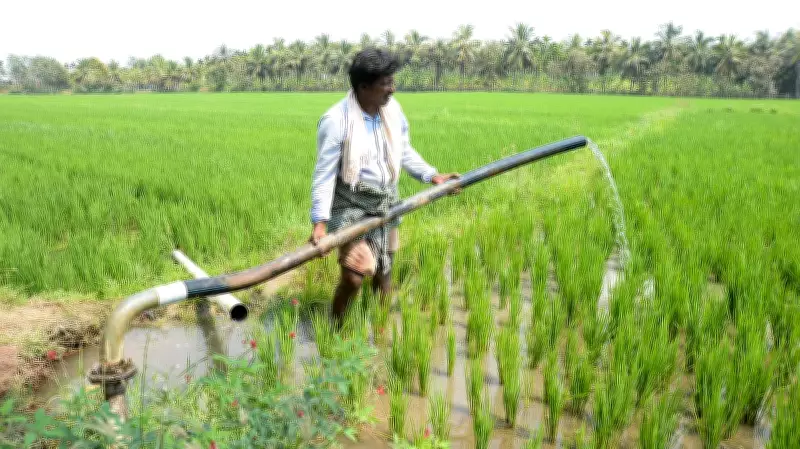
- Encouraging sustainable agricultural practices that minimize water usage while maintaining productivity.
The panel emphasizes that these measures are not merely optional but essential for preventing further degradation of water resources. With climate change and increasing demand placing additional pressure on supplies, proactive steps are crucial to safeguarding Karnataka's water future.
Broader Implications for Karnataka's Development
This groundwater crisis has far-reaching implications beyond environmental concerns. It directly impacts economic stability, as agriculture—a key sector in Karnataka—heavily relies on consistent water access. Water scarcity could lead to reduced crop yields, higher costs, and potential conflicts over resources.
Moreover, public health and urban development are at stake, with many communities dependent on groundwater for daily needs. The planning panel's push for water security aims to address these interconnected challenges, ensuring that growth and development do not come at the expense of vital natural resources.
As Karnataka grapples with these issues, the focus is on creating a resilient framework that balances human needs with ecological preservation. The coming months will be critical in determining how effectively the state can implement these recommendations and turn the tide on its water security challenges.