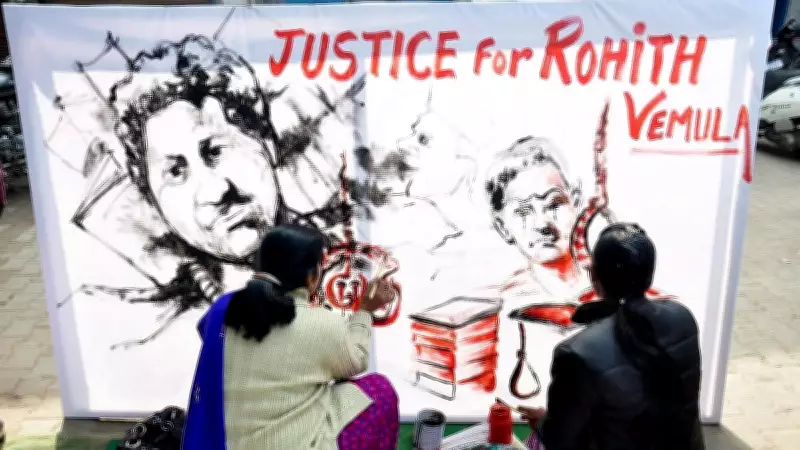
Karnataka Social Welfare Department Nears Decision on Rohith Vemula Act
The Karnataka Social Welfare Department is poised to make a significant determination regarding the proposed Rohith Vemula Act in the near future. This legislative initiative, named in memory of the late scholar Rohith Vemula, has garnered widespread attention for its focus on addressing systemic issues faced by marginalized student communities in educational institutions.
Scope and Applicability of the Proposed Legislation
While existing equity regulations in Karnataka apply broadly to students from the Scheduled Castes (SC), Scheduled Tribes (ST), and Other Backward Classes (OBC) communities, the Rohith Vemula Bill is specifically designed to be applicable only to SC and ST students. This targeted approach aims to provide enhanced protections and support mechanisms for these historically disadvantaged groups, reflecting a nuanced understanding of their unique challenges within the academic environment.
Key Differences Between Current Regulations and the Proposed Act
Current equity regulations encompass a wider spectrum of socially and educationally backward communities, including OBCs, alongside SCs and STs. These regulations typically address issues such as admission quotas, scholarship programs, and anti-discrimination measures to promote inclusivity and equal opportunity in higher education.

In contrast, the Rohith Vemula Act is expected to introduce more specialized provisions focused solely on SC and ST students. Potential elements may include stricter penalties for caste-based discrimination, mandatory grievance redressal mechanisms, mental health support services, and measures to prevent institutional harassment and exclusion. The act seeks to create a safer and more equitable academic atmosphere, directly responding to the circumstances that led to Rohith Vemula's tragic death.
Implications for Educational Institutions and Student Welfare
The impending decision by the Social Welfare Department carries substantial implications for universities, colleges, and students across Karnataka. If enacted, the Rohith Vemula Act would require educational institutions to implement specific compliance measures, potentially including:
- Enhanced monitoring and reporting of caste-based incidents
- Mandatory sensitivity training for faculty and administrative staff
- Establishment of dedicated support cells for SC/ST students
- Regular audits of institutional practices to ensure non-discrimination
This legislative move is part of a broader effort to strengthen social justice frameworks in the state's education sector. By focusing on SC and ST students, the act aims to address gaps in existing policies and provide a more robust safety net for those most vulnerable to discrimination and marginalization.
Broader Context and Future Outlook
The development of the Rohith Vemula Act occurs against a backdrop of ongoing national conversations about caste equity and student rights in India. As the Social Welfare Department deliberates, stakeholders including student groups, civil society organizations, and academic experts are closely watching the process, advocating for a comprehensive and effective legislation.
The decision, expected soon, will mark a critical step in Karnataka's commitment to fostering an inclusive educational landscape. It underscores the state's proactive stance in addressing social inequalities and ensuring that all students, particularly those from SC and ST backgrounds, can pursue their academic goals without fear of prejudice or injustice.