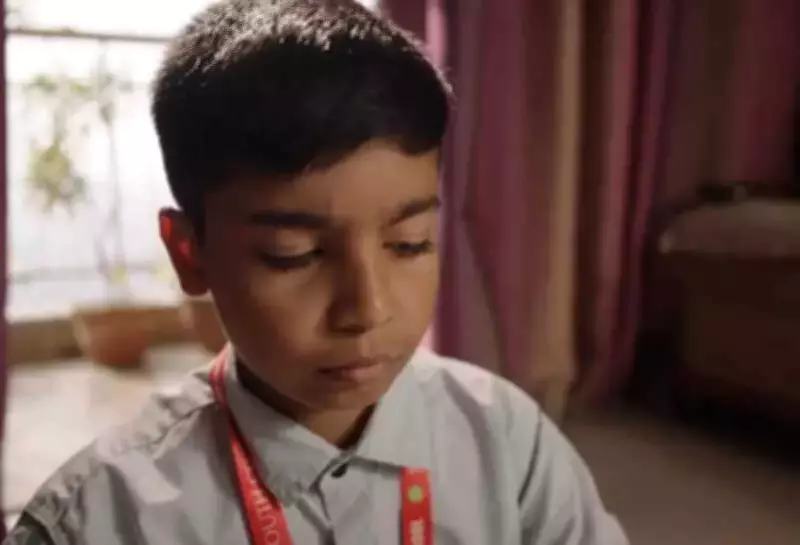
Kolkata's 'Umang' Film Aims to Revive Bengal's Stalled Organ Donation Drive
The Bengal Organ Donation Society (BODS) is leveraging the poignant story of a 12-year-old deceased organ donor to inject fresh momentum into the state's organ donation movement, which has failed to record a single donation in the first 48 days of 2026. This comes after a promising year in 2025, when Bengal clocked 17 donations, its highest tally to date.
The Inspiring Tale of Umang Galada
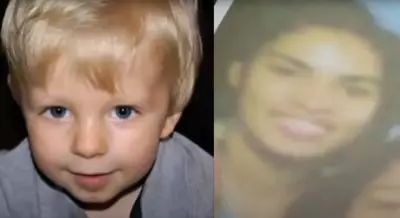
Umang Galada, a Class VII student from Kolkata, became Bengal's youngest organ donor on May 20, 2025, after being declared brain-dead following a renal transplant surgery. Suffering from end-stage renal failure, Umang urgently needed a kidney transplant, but no matching donor was found. His mother, Jyoti, bravely donated one of her kidneys in a living donor procedure. Tragically, the young boy passed away a few days after the surgery.
In a noble act of turning personal grief into hope for others, Jyoti consented to donate Umang's liver and corneas while she was still hospitalized, recovering from her own kidney retrieval surgery. "We lived the pain and agony of waiting for a matching organ. Only if all families of brain-dead patients come forward to donate, it could shorten the wait for those in need of organs. That is why we donated Umang's organs," recounted Jyoti, a resident of South City.

'Umang' Film: A Catalyst for Change
BODS has prepared a 15-minute short film titled 'Umang' to tell this heart-wrenching yet inspiring story. The film, shot entirely in Umang's home with his parents Jyoti and Ujjawal and sister Niaina playing themselves, captures the family's struggle, the courage of a living donor, and the ultimate act of organ donation. It highlights Umang's resilience, talent, and strength, portraying him as a boy full of life.
"My son lived a very small but meaningful life. While revisiting the whole episode during the film was painful, we are ready to go through this pain again and again to propel the organ donation pace," said Jyoti, emphasizing her commitment to the cause.
The film received support from RN Tagore International Institute of Cardiac Sciences, where the hospital scenes were filmed. Doctors including Vatsala Trivedi, Mahesh Goenka, KM Mandana, and Saurabh Koley mentored the project. BODS plans to screen 'Umang' at festivals and release it on social media to reach a wider audience and inspire more donations.
Current State of Organ Donation in Bengal
The organ donation movement in Bengal gained traction starting in 2018, but 2026 has marked a concerning slowdown. Sources from the Regional Organ and Tissue Transplant Organisation (ROTTO) East revealed that there have been at least three brain death declarations in the past 48 days. However, donations did not materialize due to organs being unfit for transplant or families withdrawing consent.
"We are working hard and not giving up. We appeal to all hospitals not to miss brain-dead signs and to counsel families for donations," said a ROTTO source, underscoring the ongoing efforts to overcome these challenges.
Healthcare Infrastructure and Future Hopes
IPGMER-SSKM Hospital, which houses a state-of-the-art Trauma Care Centre, remains the largest source of deceased organs in Bengal and the only government hospital where such organs are harvested. Some private hospitals also perform these procedures. Health officials are optimistic that increased collaboration between private hospitals and other tertiary care government facilities will accelerate the organ donation movement.
Last year's 17 donations benefited over 50 patients, showcasing the profound impact of organ donation. Indrajeet Tiwary, chairman of BODS and a GI critical care and liver transplant consultant, praised Umang's parents: "Umang's parents are turning their tragedy into a mission for a noble purpose, which is something praiseworthy." As Bengal strives to revive its organ donation efforts, the story of Umang Galada serves as a powerful reminder of the lives that can be saved through compassion and action.