In a significant move aimed at enhancing emergency medical response for workers, the Karnataka Labour Department is actively considering a proposal to acquire three helicopters to function as dedicated air ambulances. The initiative is designed to airlift labourers injured in accidents, especially in remote regions, to major city hospitals for prompt treatment.
Proposal for Enhanced Worker Safety
The proposal, discussed by senior officials on the sidelines of an aviation event a week ago, underscores the state's focus on improving healthcare access for its workforce. The plan involves stationing three helicopters in different parts of Karnataka, ensuring rapid deployment when accidents occur in areas with limited medical infrastructure.
A senior official highlighted the critical need for such a service, stating that many serious injuries are reported in remote locations where immediate medical intervention is often unavailable. The proposed 'heli-ambulances' are intended to bridge this crucial gap and save lives through faster evacuation.
Funding and Acquisition Details
While the exact budget for the helicopter acquisition remains under deliberation, the department has identified a potential funding source. The plan is to utilise the Building and Other Construction Workers (BOCW) Fund for this purpose. This corpus is specifically designed for the welfare of construction workers, making it a relevant source for a life-saving initiative.
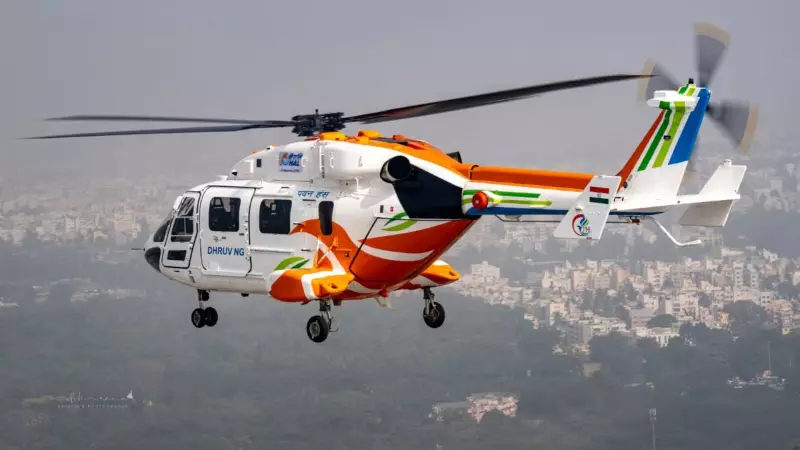
The final modalities of the proposal, including the specifics of the acquisition process, are still under review by the department. The official confirmation came during the launch event of the civil aviation-focused Dhruv-New Generation (NG) helicopter, manufactured by public sector giant Hindustan Aeronautics Limited (HAL).
Connection to HAL's Dhruv-NG Helicopter
During the event, HAL Chairman and Managing Director D K Sunil provided updates on the Dhruv-NG, a helicopter that could potentially fit the department's requirements. He mentioned that the public sector company is awaiting final clearances before releasing the aircraft to the market, a process expected to take a few months.
Sunil pitched the helicopter's versatility, noting its capacity to carry 14 passengers and its suitability for VIP movement, heli-tourism, and critically, medical ambulance services across the country. This aligns directly with the labour department's envisioned use case.
If the proposal receives all necessary approvals and moves forward, it will mark a pioneering step in Karnataka's labour welfare measures, setting a precedent for using worker welfare funds for advanced emergency medical infrastructure.