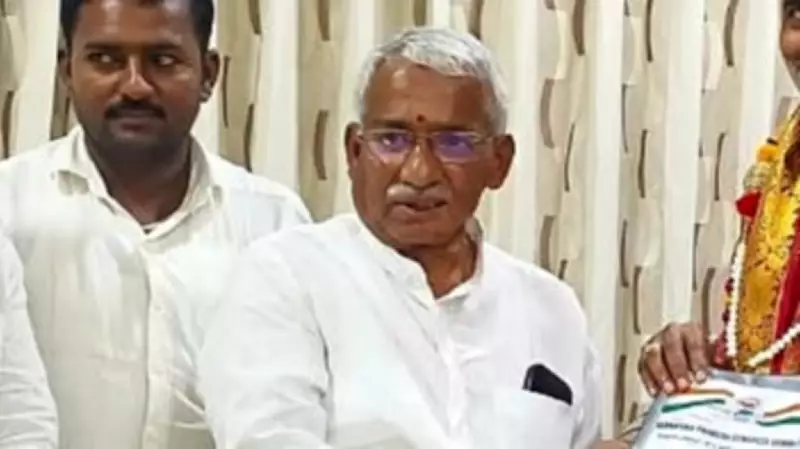
Karnataka Excise Minister R B Timmapur Stands Firm Amid Corruption Allegations
In a bold and defiant move, Karnataka Excise Minister R B Timmapur has publicly declared that he will not step down from his position despite mounting corruption allegations. The minister, who has been embroiled in controversy, has taken a strong stance, asserting his innocence and vowing to continue serving in his role. This development has sparked significant political debate and public scrutiny in the state, as the allegations threaten to tarnish the government's image.
Minister's Unwavering Position on Resignation
R B Timmapur has made it clear that he has no intention of resigning, even as pressure builds from opposition parties and civil society groups. In recent statements, he emphasized that the allegations against him are baseless and politically motivated. The minister argued that stepping down would set a wrong precedent and undermine the democratic process, suggesting that he is prepared to face any legal or investigative proceedings to clear his name.
His refusal to quit comes amid calls for accountability and transparency in governance, with critics pointing to the need for swift action in cases of alleged corruption. Timmapur's stance highlights a broader trend in Indian politics where ministers often resist resignation until proven guilty, citing the principle of innocent until proven guilty.

Details of the Corruption Allegations
The corruption allegations against R B Timmapur revolve around purported irregularities in the excise department's operations, including accusations of bribery and misuse of power. While specific details have not been fully disclosed publicly, sources indicate that the claims involve financial mismanagement and favoritism in licensing and regulatory matters. These allegations have raised concerns about the integrity of the excise sector in Karnataka, which is a significant revenue source for the state.
Opposition leaders have seized upon the issue, demanding a thorough investigation and immediate action from the ruling government. They argue that such allegations, if true, could have far-reaching implications for public trust and governance standards. In response, Timmapur has challenged his accusers to provide concrete evidence, maintaining that he is being targeted unfairly.
Political and Public Reactions
The situation has elicited mixed reactions from various stakeholders. Supporters of R B Timmapur have rallied behind him, praising his resilience and commitment to his duties. They argue that he should be given a fair chance to defend himself before any punitive measures are taken. On the other hand, critics and anti-corruption activists have expressed disappointment, calling for stricter enforcement of ethical standards in public office.
This incident is part of a larger narrative in Karnataka's political landscape, where corruption allegations have frequently surfaced, affecting multiple administrations. It underscores the ongoing challenges in balancing political loyalty with accountability, as ministers navigate complex legal and public relations battles.
Implications for Karnataka's Governance
R B Timmapur's refusal to resign amid corruption allegations could have several implications for Karnataka's governance and political stability. If the allegations persist without resolution, it may lead to increased public distrust and potential electoral repercussions for the ruling party. Moreover, it could impact the efficiency and morale within the excise department, as ongoing controversies might hinder day-to-day operations.
Looking ahead, the focus will likely shift to how the government handles the investigation and whether Timmapur can substantiate his claims of innocence. This case serves as a reminder of the importance of robust anti-corruption mechanisms and transparent governance practices in India's democratic framework.