Karnataka Minister Thimmapur Vows Immediate Resignation if Corruption Charges Proven
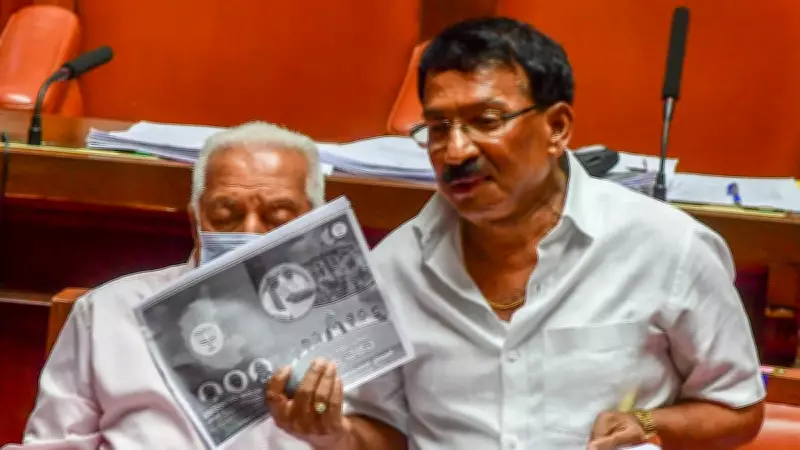
In a dramatic turn of events in the Karnataka Legislative Assembly, Excise Minister Thimmapur has made a bold declaration regarding the corruption allegations swirling around him. The minister stated unequivocally that if the accusations against him are proven, he will resign from his position immediately. This statement came during a heated session where the opposition has been pressing for accountability in the excise department.
Thimmapur Alleges Conspiracy Against Him as a Dalit
Amid the corruption row, Thimmapur has raised serious allegations of a conspiracy targeting him specifically because of his Dalit identity. He claimed that the charges are part of a larger plot to undermine his position and discredit his community. This assertion adds a significant social dimension to the political controversy, highlighting the ongoing struggles faced by Dalit politicians in India's complex caste dynamics.
Revelation About Federation of Wine Merchants Association
During his address to the House, Thimmapur made a startling revelation about the Federation of Wine Merchants Association, which has been at the center of the corruption allegations. He informed the Assembly that the association does not actually exist in any legally recognized form. According to the minister, the organization has failed to renew its registration and therefore lacks official standing.

"The Association has not renewed its registration and it does not exist," Thimmapur stated clearly, challenging the basis of the corruption claims that have been linked to this entity. This disclosure raises important questions about the validity of the allegations and the documentation being used to support them.
Political Implications and Context
The controversy comes at a sensitive time for Karnataka politics, with several key issues dominating the legislative agenda. The excise department has been under scrutiny for various administrative matters, and Thimmapur's position has become increasingly precarious. His dual response - offering resignation if proven guilty while alleging caste-based conspiracy - reflects the complex balancing act many politicians face when confronting serious allegations.
The development has sparked intense debate among political observers about several key aspects:
- The credibility of corruption allegations against sitting ministers
- The role of caste identity in political targeting and defense strategies
- The verification processes for associations and organizations making claims or being cited in controversies
- The potential impact on Dalit representation in Karnataka's political landscape
As the situation continues to unfold, all eyes remain on how both the ruling party and opposition will navigate these sensitive allegations while maintaining legislative decorum and addressing the substantive issues at hand.