Karnataka Transport Minister Stands Firm on BMTC, Rejects Private Bus Proposal
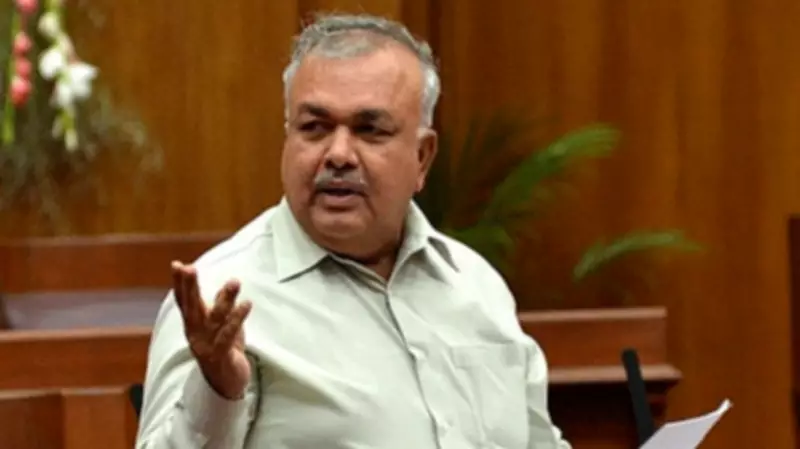
In a significant development for public transport in Karnataka, Transport Minister Ramalinga Reddy has firmly rejected a call from prominent industrialist Mohandas Pai to introduce private buses into the state's urban transit system. The minister's stance comes amid ongoing debates over the efficiency and affordability of public transportation, particularly in Bengaluru and other major cities.
Defending BMTC's Scale and Affordability
Ramalinga Reddy emphasized the crucial role of the Bangalore Metropolitan Transport Corporation (BMTC) in serving the masses, especially the economically disadvantaged sections of society. He argued that BMTC's extensive network and subsidized fares are essential to prevent what he termed a "crushing burden on the poor." The minister highlighted that private bus operators, driven by profit motives, might lead to increased fares, making daily commutes unaffordable for low-income groups.
Reddy pointed out that BMTC currently operates one of the largest fleets in India, with over 6,000 buses catering to millions of passengers daily. He defended this scale as necessary to meet the high demand and ensure reliable service across diverse routes, including remote and less profitable areas that private entities might neglect.

Rejecting Mohandas Pai's Call for Private Buses
The rejection was in direct response to Mohandas Pai's recent advocacy for allowing private buses to complement or compete with BMTC. Pai, a well-known figure in the tech and business community, had suggested that private participation could enhance efficiency, reduce congestion, and improve service quality through innovation and competition.
However, Minister Reddy countered this by citing operational challenges and potential risks. He noted that integrating private buses could lead to fragmented services, regulatory hurdles, and issues with fare standardization. Reddy stressed that public transport must prioritize social welfare over commercial gains, aligning with the government's commitment to inclusive growth and sustainable urban mobility.
Broader Implications for Karnataka's Transport Policy
This decision underscores the Karnataka government's focus on strengthening public sector undertakings in key infrastructure areas. Reddy mentioned ongoing efforts to modernize BMTC, including plans for electric buses, digital ticketing, and route optimization, to address concerns about efficiency without privatizing core services.
The debate highlights a larger tension in Indian urban planning between public and private models. While proponents of privatization argue for market-driven improvements, Reddy's position reflects a cautionary approach, emphasizing equity and accessibility. This move is likely to influence future transport policies in Karnataka and potentially other states grappling with similar issues.
As the state continues to urbanize rapidly, the balance between innovation and affordability remains a critical challenge. Reddy's firm rejection signals a continued reliance on BMTC as the backbone of urban transit, with reforms aimed from within rather than through external private intervention.