Karnataka Minister Presses Central Government to Boost Auto LPG Availability
In a significant development, Karnataka's Minister for Food, Civil Supplies, and Consumer Affairs, K.H. Muniyappa, has publicly called upon the central government to fulfill its responsibility in enhancing the supply of auto Liquefied Petroleum Gas (LPG) across the state. This appeal underscores the growing concerns over fuel accessibility and its broader implications for public welfare and environmental sustainability.
Minister Muniyappa's Direct Appeal to Central Authorities
Minister K.H. Muniyappa, a prominent figure in Karnataka's political landscape, has articulated a clear demand for increased auto LPG provisions. He emphasized that the central government holds a fundamental obligation to ensure adequate fuel supplies, particularly for auto LPG, which serves as a critical energy source for various modes of public transportation. Muniyappa's statements highlight the interconnectedness of state and central governance in addressing essential infrastructure needs.
The minister pointed out that auto LPG is not only a cost-effective alternative but also contributes to reducing vehicular emissions, aligning with national goals for cleaner energy solutions. This dual benefit of economic efficiency and environmental protection makes the issue particularly pressing, as Karnataka seeks to balance growth with ecological responsibility.

Implications for Public Transport and Environmental Goals
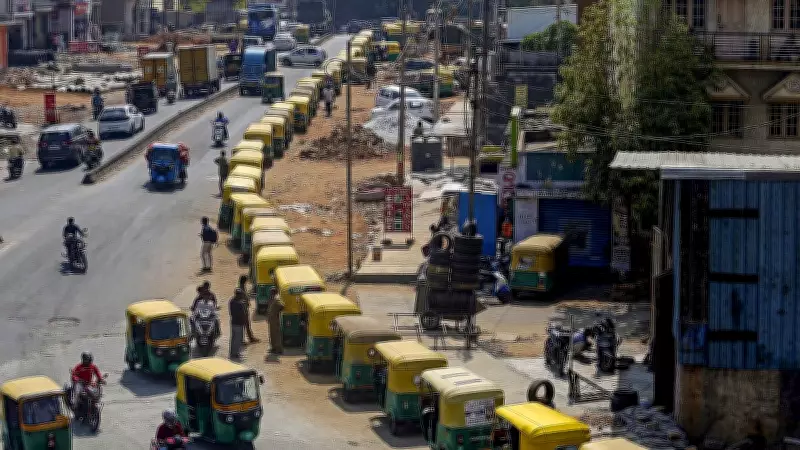
The call for improved auto LPG supply has direct ramifications for Karnataka's public transport sector. Auto LPG is widely used in autorickshaws and other commercial vehicles, making its availability crucial for daily commuters and drivers alike. Any disruptions or shortages in supply could lead to operational challenges and increased costs, affecting the livelihoods of many in the state.
Moreover, this move ties into larger environmental initiatives. By advocating for better auto LPG infrastructure, Minister Muniyappa is indirectly supporting efforts to curb air pollution and promote sustainable practices. The central government's role in facilitating this transition is seen as pivotal, given its control over national fuel policies and distribution networks.
Broader Context of Fuel Management in India
This development occurs against a backdrop of ongoing discussions about fuel management and energy security in India. The central government has been actively involved in regulating LPG supplies for domestic and automotive use, with policies aimed at ensuring affordability and accessibility. However, state-specific demands, such as those from Karnataka, highlight the need for tailored approaches that address regional requirements.
Key aspects of this issue include:
- The central government's capacity to coordinate with state authorities on fuel distribution.
- The economic impact of auto LPG on Karnataka's transport industry.
- Environmental benefits associated with increased auto LPG usage.
- Potential challenges in scaling up supply chains to meet growing demand.
As Karnataka continues to push for enhanced auto LPG supply, the response from central agencies will be closely monitored. This situation exemplifies the dynamic interplay between state initiatives and federal support in driving progress on critical issues like energy and environment.