Karnataka's Internal Quota Maze Puts CM Siddaramaiah's Maneuvering Skills to Test
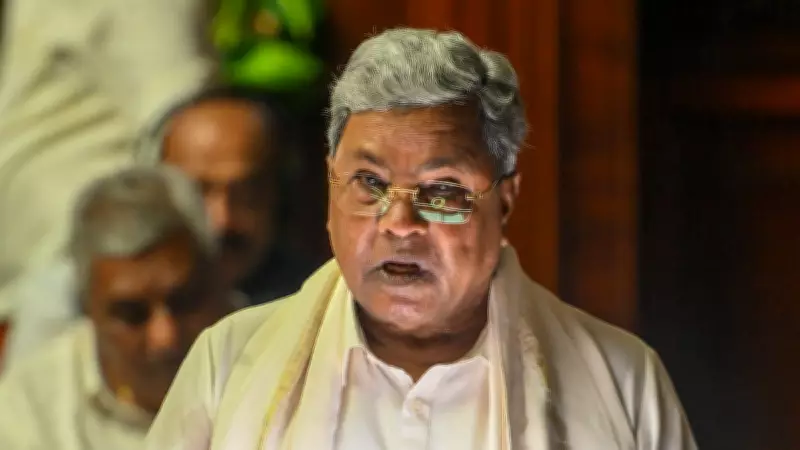
Karnataka Chief Minister Siddaramaiah is navigating a complex political landscape as demands for internal reservations among various communities create a challenging governance maze. This intricate issue is putting his renowned political maneuvering skills to a rigorous test, with significant implications for state politics and social harmony.
The Complex Web of Reservation Demands
Multiple communities within Karnataka are intensifying their calls for internal reservations, seeking a more nuanced allocation of quotas within the broader reservation framework. These demands stem from long-standing grievances and aspirations for equitable representation in education and employment opportunities. The situation has created a delicate balancing act for the Chief Minister, who must address these competing interests while maintaining social cohesion.
The political implications are profound, as any decision on internal quotas could influence electoral dynamics and community support. Siddaramaiah's administration is carefully analyzing the legal and constitutional aspects of these demands, recognizing that missteps could lead to widespread discontent or legal challenges.
Siddaramaiah's Strategic Challenges
Chief Minister Siddaramaiah, known for his astute political acumen, faces a multifaceted challenge in resolving this internal quota maze. He must consider the historical context of reservations in Karnataka, the specific grievances of each community, and the potential ripple effects on the state's social fabric. His approach requires a blend of diplomatic negotiation, policy precision, and political foresight.
The government is reportedly engaging in consultations with community leaders, legal experts, and political allies to formulate a response. These discussions aim to find a middle ground that addresses legitimate concerns without exacerbating tensions or violating constitutional principles.
Broader Implications for Governance
This internal quota issue highlights broader themes in Karnataka's governance, including:
- The ongoing struggle for social justice and equitable resource distribution
- The complexities of implementing reservation policies in a diverse society
- The political risks and rewards associated with addressing sensitive community demands
- The need for transparent and inclusive decision-making processes
As the situation evolves, observers are closely watching how Siddaramaiah navigates this maze, with outcomes likely to shape his political legacy and the state's trajectory on social policy. The resolution of this issue could set precedents for how similar demands are handled in other Indian states, making it a critical test of leadership and governance in contemporary Indian politics.