Trump Minimizes Significance of Alleged Russia-Iran Intelligence Cooperation
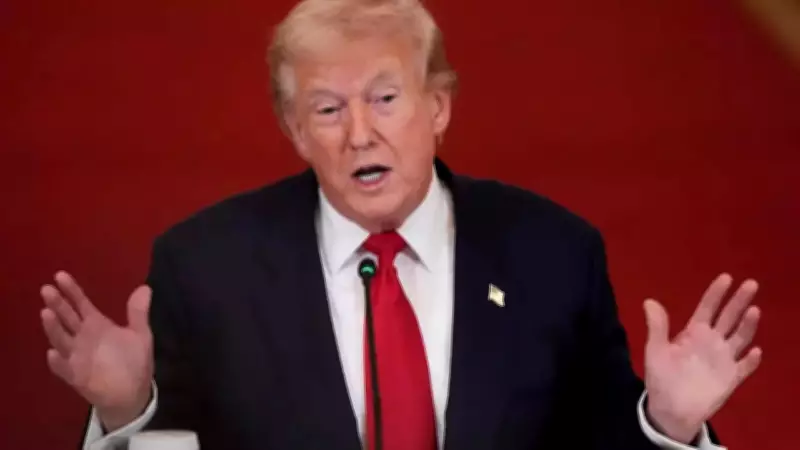
NEW DELHI: US President Donald Trump on Saturday significantly downplayed emerging reports suggesting Russia may have shared critical intelligence with Iran to assist in targeting American military forces across the volatile Middle East region. Speaking to reporters while traveling aboard Air Force One to Miami, Trump asserted that even if such intelligence sharing had indeed occurred, it appeared to be providing minimal tactical advantage to Tehran amidst the rapidly escalating regional conflict.
"If you take a look at what's happened to Iran in the last week, if they're getting information, it's not helping them much," Trump stated emphatically, directly addressing the swirling allegations without explicitly confirming their validity. The US president notably refrained from verifying intelligence community assessments that Moscow might have provided targeting data to Iranian forces.
Context of Escalating Regional Tensions
Trump's remarks followed his attendance at a solemn dignified transfer ceremony honoring six US Army reservists tragically killed in a drone strike in Kuwait. This ceremony occurred just one day after coordinated United States and Israeli military operations were launched against Iranian targets, marking a significant escalation in the week-old conflict that has sent shockwaves through global markets and raised serious concerns about international energy security.

When pressed by journalists about whether Russian assistance to Iran could potentially strain US-Russia diplomatic relations, Trump dismissed such concerns with rhetorical questioning. "They'd say we do it against them," Trump responded. "Wouldn't they say that we do it against them?" This response suggested a perspective of mutual intelligence activities between global powers.
India's Energy Policy and US Waiver Controversy
The geopolitical developments unfolded against the backdrop of a recent US Treasury Department decision to grant India a 30-day waiver permitting continued purchases of Russian crude oil and petroleum products. This administrative move has sparked criticism from certain Washington lawmakers, with Democratic Representative Ted Lieu of California publicly condemning the action on social media platform X.
Lieu characterized the waiver as "traitorous conduct" that assists Russia financially while Moscow allegedly supports Iranian targeting of American troops. However, Indian officials have maintained a firm position regarding their energy procurement autonomy. According to a senior government official quoted by PTI, the US waiver primarily serves to reduce diplomatic friction rather than determine India's sovereign energy policy decisions.
Global Oil Market Disruptions and Strategic Reserves
The intensifying Iran conflict has triggered substantial disruptions in global oil markets, with prices surging sharply as hostilities impact critical shipping routes. The Strait of Hormuz, a vital maritime passage that transports approximately 20 million barrels of oil daily from the Persian Gulf to international markets, has become increasingly hazardous for commercial vessels.
With regional energy facilities sustaining damage and shipping lanes compromised, supplies from some of the world's largest petroleum producers have been significantly affected. When questioned about potential US intervention to stabilize prices through the Strategic Petroleum Reserve (SPR), Trump appeared reluctant to pursue this option currently.
"We've got a lot of oil. Our country has a tremendous amount," Trump remarked, suggesting market forces would naturally correct the supply disruption. "There's a lot of oil out there. That'll get healed very quickly." The SPR currently maintains over 415 million barrels of crude oil within a system capable of holding more than 700 million barrels total.

Despite his initial dismissal of SPR utilization, Trump indicated openness to considering alternative measures if necessary, stating "If there were some, I would do it, just to take a little of the pressure off" regarding potential price stabilization actions. The confluence of intelligence allegations, energy market volatility, and escalating military conflict continues to define this critical period in Middle Eastern geopolitics with global implications.