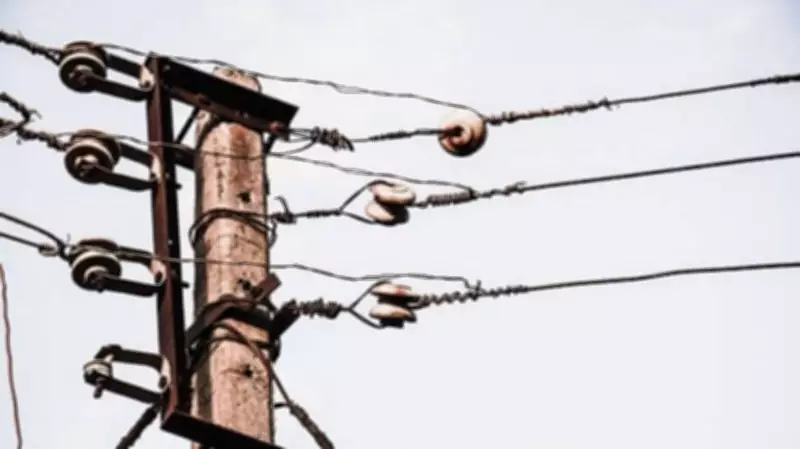
Karnataka's Electrical Safety Crisis: A Decade of Unabated Mishaps
In a troubling trend, electrical mishaps continue to escalate across Karnataka, with a particular focus on the northern regions. Over the last ten years, human fatalities due to electrical accidents have risen significantly under the jurisdiction of two major electricity supply companies: GESCOM and HESCOM. These entities oversee power distribution in 14 districts of North Karnataka, an area now grappling with severe safety concerns.
Alarming Statistics and Regional Impact
The data reveals a persistent and growing threat to public safety. More human deaths have occurred in the past decade from electrical incidents within the limits of GESCOM and HESCOM, underscoring a systemic failure in infrastructure management. This crisis affects a vast swath of North Karnataka, including key districts such as Kalaburagi, where residents face daily risks from faulty wiring, exposed cables, and inadequate maintenance.
The root causes of these mishaps are multifaceted, involving aging infrastructure, lack of timely upgrades, and insufficient safety protocols. As demand for electricity increases, the existing systems are often overloaded, leading to frequent tripping and accidents. Experts warn that without immediate intervention, the situation could worsen, putting more lives at risk.

Infrastructure Challenges and Public Outcry
ESCOMs, or Electricity Supply Companies, in Karnataka have long struggled with modernizing their networks. In North Karnataka, the issues are compounded by geographical and economic factors, making it harder to implement robust safety measures. Local communities have voiced growing frustration, calling for urgent reforms to prevent further tragedies.
- Inadequate maintenance schedules lead to neglected equipment.
- Poor oversight and regulatory gaps allow hazards to persist.
- Rising population and urbanization strain outdated systems.
Authorities in Bengaluru and other state hubs have acknowledged the problem but progress has been slow. Initiatives to upgrade infrastructure are often hampered by budgetary constraints and bureaucratic delays, leaving many areas vulnerable.
Looking Ahead: Solutions and Recommendations
To address this ongoing crisis, stakeholders emphasize the need for comprehensive strategies. This includes investing in smart grid technologies, enhancing training for maintenance crews, and strengthening enforcement of safety standards. Public awareness campaigns are also crucial to educate residents on electrical hazards and preventive measures.
As Karnataka moves forward, the focus must shift from reactive measures to proactive planning. Ensuring reliable and safe electricity supply is not just a technical issue but a matter of public health and welfare. The state's ability to tackle these challenges will determine whether the trend of rising mishaps can be reversed in the coming years.