Karnataka Deputy CM D K Shivakumar Reiterates Guarantees Are a 'Burden'
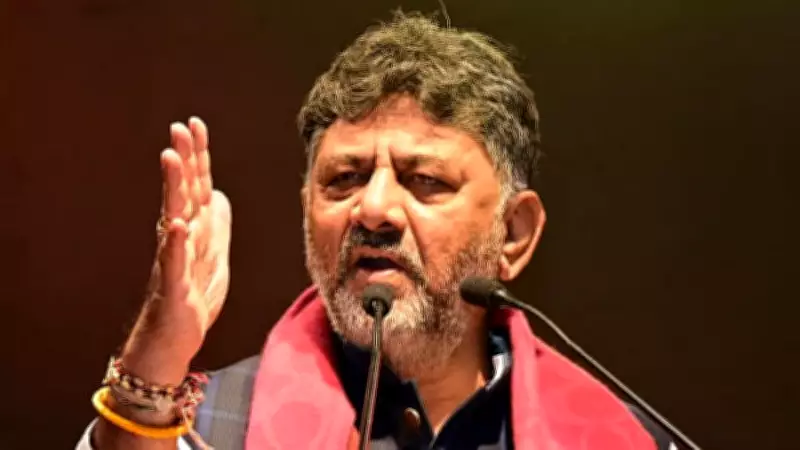
The debate over the financial sustainability of the Karnataka government's flagship guarantee schemes has intensified significantly, following Deputy Chief Minister D K Shivakumar's recent remarks. Shivakumar reiterated that these programs, which are central to the state's welfare initiatives, represent a substantial financial burden on the government's resources.
Contrasting Views Within the Ruling Party
This statement has highlighted contrasting views among leaders of the ruling party regarding the long-term viability of these guarantee schemes. While some officials advocate for their continuation due to public demand and political commitments, others, including Shivakumar, express concerns over the economic strain they impose.
The guarantee schemes, which include various welfare measures aimed at supporting citizens in areas such as education, healthcare, and employment, have been a cornerstone of the government's policy agenda. However, their implementation has raised questions about fiscal management and budgetary constraints.
Financial Implications and Sustainability
Shivakumar emphasized that despite the burdens, the government is committed to continuing these programs to fulfill its promises to the people. This stance underscores a delicate balance between political obligations and economic realities, as the state navigates the challenges of funding large-scale social initiatives.
The Deputy Chief Minister's comments have sparked a broader discussion on the need for efficient resource allocation and potential reforms to ensure the schemes' sustainability without compromising other essential services or increasing debt.
Public and Political Reactions
Reactions from various stakeholders have been mixed, with some praising the government's dedication to welfare, while others call for a reassessment of priorities. The ongoing debate is expected to influence future policy decisions and budgetary planning in Karnataka.
As the situation develops, the focus remains on how the state will address these financial pressures while maintaining its commitment to the guarantee schemes, which are seen as critical for social equity and development.