

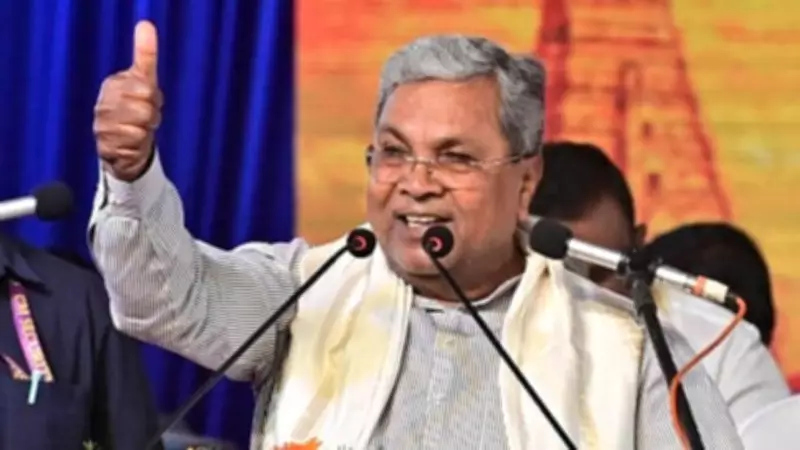
Karnataka Government to Review Demand for Tribal University, Says Chief Minister Siddaramaiah
Karnataka Chief Minister Siddaramaiah has announced that the state government will thoroughly examine and take a suitable decision on the long-standing demand for establishing a tribal university in the region. This statement comes amid increasing calls from tribal communities and educational advocates for dedicated higher education institutions to preserve and promote indigenous culture and knowledge systems.
State Government's Commitment to Tribal Welfare
In his address, Siddaramaiah emphasized the government's commitment to addressing the educational needs of tribal populations. He noted that the proposal for a tribal university is under active consideration, and a decision will be made after a comprehensive review of its feasibility, potential impact, and alignment with state development goals. The move is seen as a significant step towards enhancing educational access and empowerment for tribal communities in Karnataka.
Clarification on Namma Metro Fare Hike
Separately, the Chief Minister clarified that the Karnataka state government has no involvement in the recent fare hike for Namma Metro services in Bengaluru. Siddaramaiah stated that the fare increase was determined solely by the metro chief, who was appointed by the Central government. He explained that this decision falls under the purview of the metro authority, which operates independently of state control in fare-setting matters.

Key Points from Siddaramaiah's Statement:
- The state government will examine the demand for a tribal university and make an appropriate decision based on its findings.
- The Karnataka government is not responsible for the Namma Metro fare hike, as it was fixed by the Centre-appointed metro chief.
- This clarification aims to address public concerns and misinformation regarding the metro fare increase.
Broader Implications for State Policies
These developments highlight the ongoing efforts by the Karnataka government to balance regional development with infrastructure management. The potential establishment of a tribal university could mark a milestone in educational inclusivity, while the metro fare issue underscores the complexities of governance in shared infrastructure projects. As the state moves forward, stakeholders are closely watching for further announcements on both fronts.






