Karnataka Budget 2026-27: Siddaramaiah Presents a Pragmatic Plan Amid Fiscal Constraints
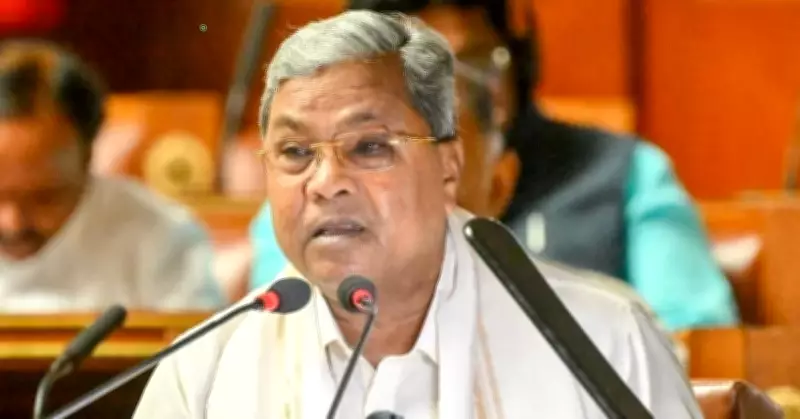
In a significant move reflecting the state's economic realities, Karnataka Chief Minister Siddaramaiah unveiled the Budget for the fiscal year 2026-27. The presentation, held at the Vidhana Soudha in Bengaluru, outlined a cautious financial strategy as the government grapples with tightening fiscal belts and mounting debt pressures. This budget marks a pivotal moment in the state's fiscal management, emphasizing prudence over populism in response to challenging economic conditions.
Fiscal Discipline Takes Center Stage
The budget highlights a concerted effort to rein in expenditures and prioritize essential services. Siddaramaiah, who also serves as the Finance Minister, acknowledged the limitations imposed by rising fiscal deficits and debt burdens. He stated that the government is committed to making do with available resources, avoiding extravagant promises that could strain the state's finances further. This approach underscores a shift towards sustainable economic planning, balancing development needs with fiscal responsibility.
Key allocations have been directed towards critical sectors such as healthcare, education, and infrastructure, albeit with moderated increases compared to previous years. The budget aims to maintain social welfare programs while exploring efficiency measures to optimize spending. Siddaramaiah emphasized that this belt-tightening is necessary to ensure long-term stability and avoid exacerbating the state's debt situation, which has been a growing concern among economists and policymakers.
Economic Context and Challenges
Karnataka's economy faces multiple headwinds, including sluggish revenue growth and increased borrowing costs. The budget addresses these challenges by proposing measures to boost tax compliance and streamline government operations. However, critics argue that more aggressive reforms are needed to stimulate growth and attract investments. The state's fiscal deficit is projected to remain within manageable limits, but concerns persist about its impact on future budgets and public services.
In his speech, Siddaramaiah highlighted the importance of fiscal consolidation, noting that the government must navigate these constraints without compromising on core developmental goals. He pointed to initiatives aimed at enhancing revenue generation through digital platforms and improving governance transparency. These steps are expected to help mitigate the effects of fiscal tightening and support economic resilience in the coming years.
Public Reaction and Political Implications
The budget has elicited mixed responses from various stakeholders. Opposition parties have criticized it as lacking ambition, while business groups have welcomed its focus on stability. Public sentiment is cautiously optimistic, with many hoping that the emphasis on essential services will translate into tangible benefits. The budget's implications extend beyond economics, potentially influencing the political landscape as the state approaches future elections.
Siddaramaiah's handling of the fiscal situation is seen as a test of his administration's ability to manage complex financial pressures. By presenting a realistic budget, he aims to build credibility and demonstrate responsible governance. The success of this strategy will depend on effective implementation and the state's ability to adapt to evolving economic conditions.
In conclusion, the Karnataka Budget 2026-27 represents a pragmatic response to fiscal challenges, with Siddaramaiah steering the state towards cautious optimism. As Karnataka navigates these limits, the focus remains on sustainable development and fiscal health, setting a precedent for other states facing similar constraints.