Karnataka Government Proposes Shift from EVMs to Paper Ballots for Local Elections
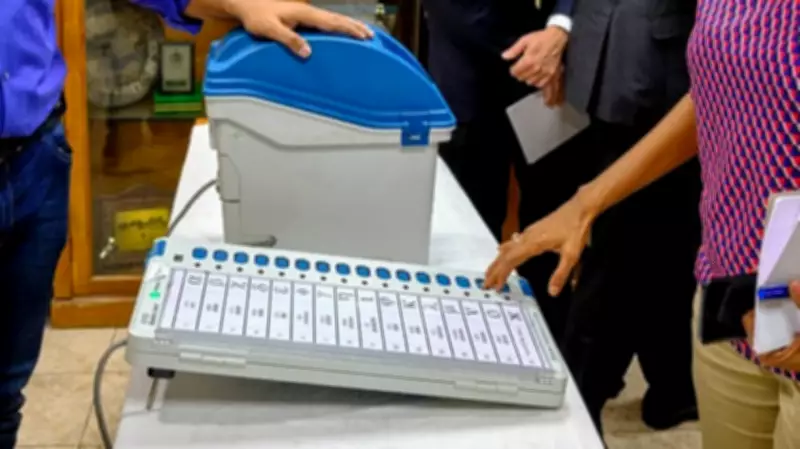
In a significant development for electoral processes in the state, the Karnataka government has moved a bill to replace Electronic Voting Machines (EVMs) with traditional paper ballots for the impending panchayat elections. This legislative change is set to impact the upcoming polls for zilla and taluk panchayats scheduled for this year, marking a notable shift in how votes are cast and counted at the grassroots level of governance.
Key Amendments to the Karnataka Gram Swaraj and Panchayat Raj Act
The proposed bill aims to amend the Karnataka Gram Swaraj and Panchayat Raj Act, a foundational law governing local self-government institutions in the state. By introducing this amendment, the government seeks to mandate the exclusive use of paper ballots in all panchayat elections, thereby discontinuing the use of EVMs that have been employed in previous electoral cycles. This move is anticipated to streamline the voting process and address concerns related to the transparency and reliability of electronic voting systems in rural and semi-urban areas.
The timing of this bill is crucial, as it comes ahead of the elections to zilla and taluk panchayats, which are pivotal for local administration and development. Zilla panchayats operate at the district level, while taluk panchayats function at the sub-district level, playing essential roles in implementing government schemes and managing public services. The shift to paper ballots is expected to influence voter participation and the overall conduct of these elections, potentially enhancing trust in the electoral process among citizens.
Implications for Electoral Integrity and Administrative Procedures
This legislative initiative raises important questions about electoral integrity and the logistical aspects of conducting elections. Proponents of the change argue that paper ballots offer a more tangible and verifiable method of voting, reducing the risk of technical glitches or allegations of tampering associated with EVMs. On the other hand, critics may point to the increased time and resources required for counting paper ballots, as well as potential challenges in handling and storing physical voting materials.
The bill's introduction follows a period of deliberation and public discourse on the best practices for ensuring free and fair elections in Karnataka. By opting for paper ballots, the state government aligns with a growing trend in some regions to revisit traditional voting methods, emphasizing simplicity and accessibility for all voters, including those in remote areas with limited technological infrastructure.
Broader Context and Future Outlook
As the bill moves through the legislative process, stakeholders including political parties, election officials, and civil society groups will closely monitor its progress and potential impacts. The success of this transition could set a precedent for other states considering similar changes in their local election mechanisms. Moreover, it underscores the ongoing evolution of India's democratic practices, where balancing innovation with reliability remains a key consideration.
In summary, the Karnataka government's move to replace EVMs with paper ballots for panchayat elections represents a proactive step towards refining electoral procedures. By amending the Gram Swaraj and Panchayat Raj Act, the state aims to foster greater confidence in the voting process, ensuring that the voices of local communities are accurately reflected in the governance of their regions.