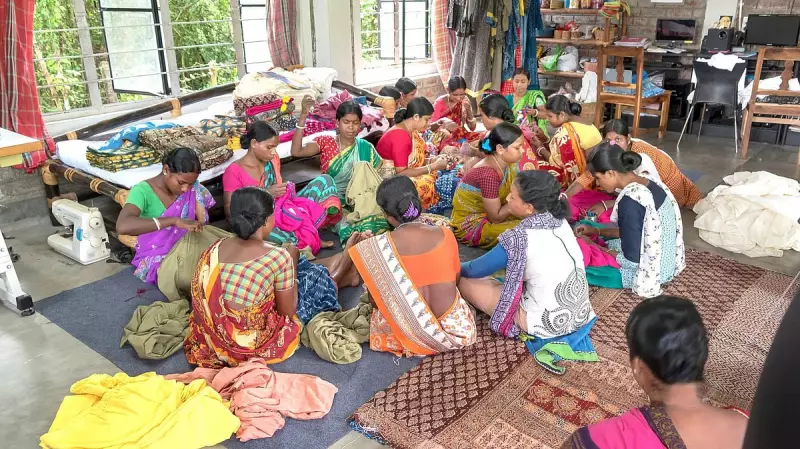
The Karnataka government has taken a significant step towards strengthening the social safety net for some of the state's most vulnerable citizens. A new bill proposes comprehensive social security measures specifically targeted at destitute women workers, aiming to move beyond existing financial assistance schemes.
Beyond Pensions: A Holistic Approach to Livelihood
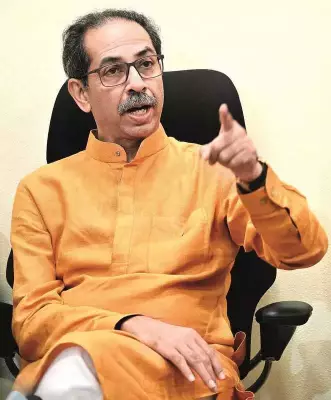
While Central and state governments already operate schemes that provide pensions and other aid to widows, the proposed Karnataka legislation seeks to adopt a more holistic strategy. The bill, which is a pet project of State Labour Minister Santosh Lad, is designed to offer comprehensive livelihood options for women facing extreme poverty and destitution.
The initiative recognizes that a one-time or monthly financial grant, while helpful, may not be sufficient to lift women out of chronic poverty. Instead, the framework likely envisions a combination of skill development, employment linkage, and entrepreneurial support, creating sustainable pathways to economic independence.

Filling the Gaps in Existing Welfare
The move highlights an identified gap in the current social welfare architecture. Existing schemes often have specific eligibility criteria, such as being a widow or belonging to a certain age group, which may leave out other categories of destitute women. This bill appears to aim for a broader, more inclusive definition of beneficiaries, focusing on the core issue of destitution among female workers regardless of their marital status.
The proposal was reported on 05 January 2026, indicating the government's intent to prioritize this issue in the new year. The detailed provisions of the bill are awaited, but its core objective is clear: to transform the lives of women at the very bottom of the socio-economic ladder.
Potential Impact and the Road Ahead
If passed into law, this legislation could have a profound impact on thousands of households across Karnataka. By empowering destitute women with the means to earn a stable livelihood, the state can address multiple interconnected issues:
- Poverty Alleviation: Directly lifting families out of destitution.
- Women's Empowerment: Providing economic agency and decision-making power to women.
- Social Stability: Reducing vulnerability and exploitation.
The success of such a scheme will depend on effective implementation, adequate funding, and seamless coordination between various government departments. As the bill moves through the legislative process, stakeholders will be keenly watching its progression, hoping it sets a new benchmark for social security for destitute women workers in India.