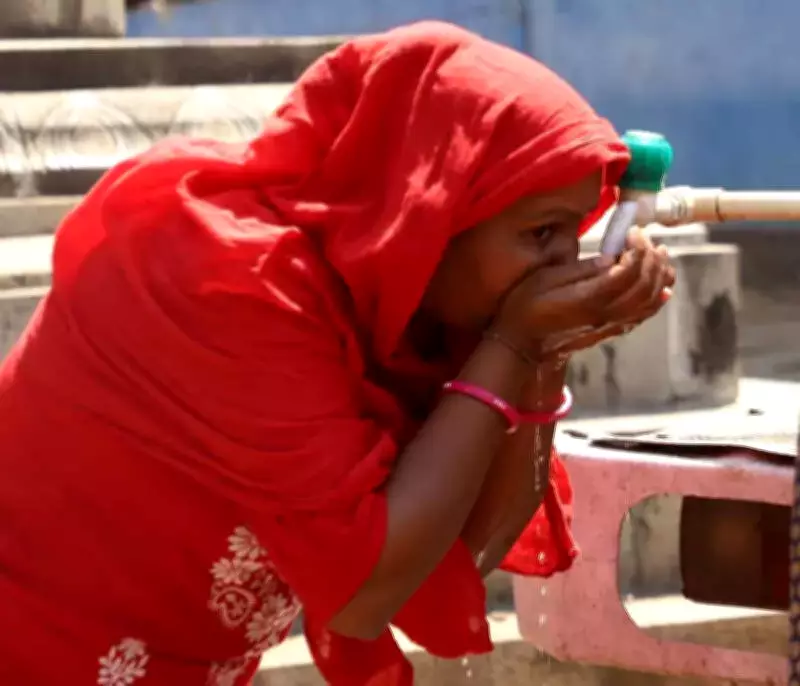
Kalaburagi District Administration Gears Up to Tackle Summer Water Scarcity
The Kalaburagi district administration is proactively preparing to combat anticipated drinking water challenges during the upcoming summer months. Deputy Commissioner Fauzia Tarannum has issued directives to officials to implement necessary precautions concerning drinking water, cattle fodder, and heat waves across the district.
Video Conference Meeting Highlights Rainfall Discrepancies
In a recent video conference with all district and taluk-level officers, Tarannum revealed concerning rainfall data. She stated that from January to December 2025, Kalaburagi district received 1,068mm of rain, which was 39% more than the expected 770mm. However, from January to February 11, 2026, no rain has been reported despite a normal expectation of 6.1mm, raising alarms for water availability.
Assessment of Water Sources and Future Planning
During the meeting, officials provided detailed information on current water levels from key drinking water sources in the district, including Bennitora, Bhima, Chandrampalli, Gandorinala, and various lakes. Discussions focused on strategies to address potential future drinking water shortages. It was estimated that a total of 4 TMCft of water will be required for drinking purposes, catering to both people and livestock in rural and urban areas during the forthcoming summer season.

Proactive Measures to Ensure Water Supply
To mitigate the crisis, Tarannum has instructed the Irrigation Advisory Committee to reserve the necessary 4 TMCft of water. With over 170 villages historically facing drinking water shortages in summer, she emphasized the urgency of taking precautionary measures now. These include utilizing available water sources such as:
- Existing borewells and open wells
- Drilling new borewells
- Deploying water tankers, including from private owners' wells
Funding and Drought Status Considerations
As of now, none of the taluks in Kalaburagi district have been declared drought-prone, which precludes the use of State Disaster Response Fund (SDRF) grants for water tanker supply this year. Consequently, the costs associated with private borewells, open wells, and tanker transportation for drinking water in any taluk will be covered by grants available under the 15th Financial Plan of the Gram Panchayat. This financial arrangement ensures that resources are allocated efficiently to support the district's water management efforts during the critical summer period.