Pralhad Joshi Condemns Karnataka's Lifetime Tax on Electric Vehicles
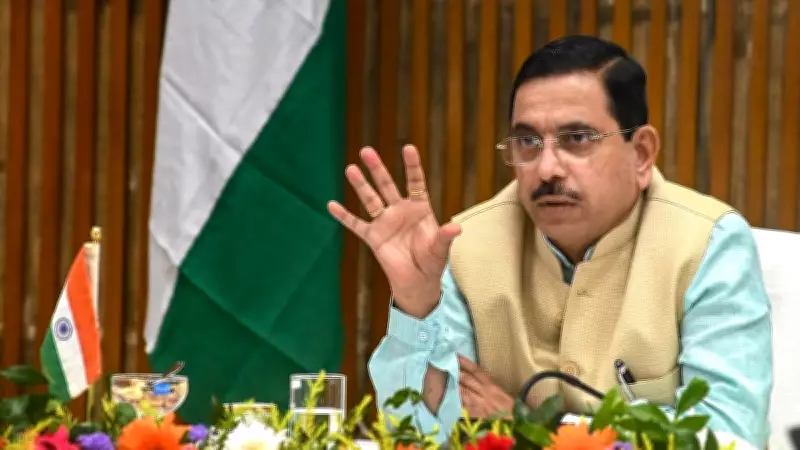
Union Minister Pralhad Joshi has issued a strong critique of the Karnataka government's recent decision to impose a lifetime tax on electric vehicles (EVs). In an official statement, Joshi argued that this policy is counterproductive to national goals of promoting clean energy and reducing carbon emissions.
Policy Details and Criticism
The Karnataka state government's move to levy a one-time lifetime tax on electric vehicles has sparked significant controversy. This tax structure applies at the time of vehicle registration and is calculated based on the vehicle's cost, making EVs more expensive upfront for consumers.
Joshi stated clearly: "The state's decision is indirectly encouraging the use of diesel and petrol vehicles by making EVs costlier." He emphasized that such policies create financial disincentives for consumers who might otherwise consider switching to environmentally friendly transportation options.

Broader Implications for EV Adoption
This criticism comes at a time when India is aggressively pushing for greater electric vehicle penetration to combat air pollution and reduce dependence on imported fossil fuels. Several key points emerge from Joshi's statement:
- Contradiction with National Objectives: The Karnataka tax policy appears to conflict with central government initiatives that offer subsidies and incentives for EV purchases.
- Financial Burden on Consumers: The lifetime tax adds substantial upfront costs that could deter middle-class buyers from choosing electric vehicles.
- Environmental Consequences: By making EVs less economically attractive, the policy may inadvertently prolong reliance on polluting diesel and petrol vehicles.
Industry and Environmental Perspectives
Automobile industry representatives have expressed concerns that such state-level taxes could create a patchwork of regulations that complicate nationwide EV adoption efforts. Environmental advocates warn that policies increasing EV costs undermine progress toward cleaner air and reduced greenhouse gas emissions.
The debate highlights the tension between state revenue generation needs and national environmental priorities. As Joshi's criticism suggests, finding the right balance between these competing interests remains a significant policy challenge.