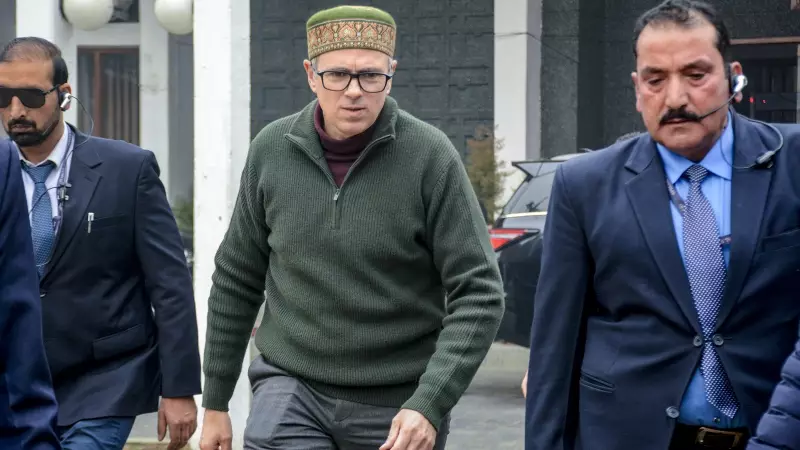
The government of Jammu and Kashmir, led by Chief Minister Omar Abdullah of the National Conference (NC), finds itself in a deepening political crisis. The trigger is the highly contentious reservation policy for government jobs and educational seats, which has sparked widespread protests and exposed significant cracks within the ruling party.
The Genesis of the Crisis: A Shift in Reservation Policy
For years before the abrogation of Article 370 in August 2019, the reservation structure in the erstwhile state was largely stable. 43% of seats were reserved for various groups, while the remaining 57% were open for competition on merit. The landscape changed dramatically in March 2024, when Lieutenant Governor Manoj Sinha announced an amendment to the J&K Reservation Act, 2004.
This amendment drastically altered the balance. It increased vertical reservation to 60% and introduced a new 10% horizontal quota. The cumulative effect left only 30% of seats available for open merit candidates, who come from communities that form the majority of the population. Most political parties in J&K, except the BJP, viewed this move as a politically motivated attempt to gain advantage ahead of the 2024 Lok Sabha and subsequent Assembly elections.

Political Promises and Mounting Pressure
In their manifestos for the September-October 2024 Assembly elections, both the National Conference and the Peoples Democratic Party (PDP) promised to "revisit" the quota issue. However, cautious of alienating reserved vote banks, they framed their stance as "rationalisation of reservation," aiming to align quotas with population share, rather than calling for an outright rollback.
Feeling "sidelined and disempowered," students from the general or open merit category launched an agitation. The pressure on the NC government became internal when its own Srinagar MP, Aga Ruhullah Mehdi, openly championed the protesters' cause. In a significant move last year, Ruhullah even held a sit-in outside Chief Minister Omar Abdullah's residence in Srinagar alongside the protesting students.
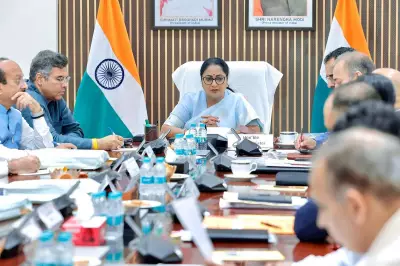
This forced the government to constitute a three-member Cabinet sub-committee to examine the issue. Although tasked with submitting recommendations within six months, the panel only did so last month. Omar Abdullah has stated that his Cabinet has approved the recommendations and sent the file to the Lieutenant Governor's office (Lok Bhawan) for clearance, but the contents remain a closely guarded secret.
Internal Rifts and Public Protests Expose Party Divide
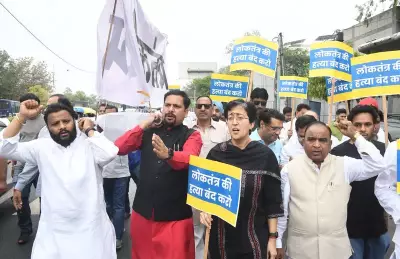
The situation escalated further with revelations that a bulk of reserved category certificates issued over the past three years came from the Jammu region, sidelining many Kashmiris. Frustrated by the prolonged delay, open merit candidates announced fresh protests, backed by NC's Ruhullah and PDP leaders like Waheed Para and Iltija Mufti.
On Sunday, December 29, 2025, police foiled these protests by placing several leaders under house detention and sealing the venue. This episode starkly highlighted the confusion and division within the NC. While Ruhullah has consistently stood with the students, NC president Farooq Abdullah accused the protesters' backers of "creating chaos," warning that the government "will not let it happen." In contrast, another NC leader, Tanvir Sadiq, affirmed the students' "legitimate democratic right" to protest.
The principal opposition, the BJP, has adopted a watchful stance, likely hoping that any decision by the government will work to its political advantage in the future. The PDP, meanwhile, continues to advocate for a cautious, population-based reservation policy.
The Omar Abdullah government now walks a tightrope, caught between addressing the legitimate grievances of a large section of youth and managing the complex electoral arithmetic involving various reserved communities. How it resolves this quota row will have significant implications for its political stability and the social fabric of Jammu and Kashmir.