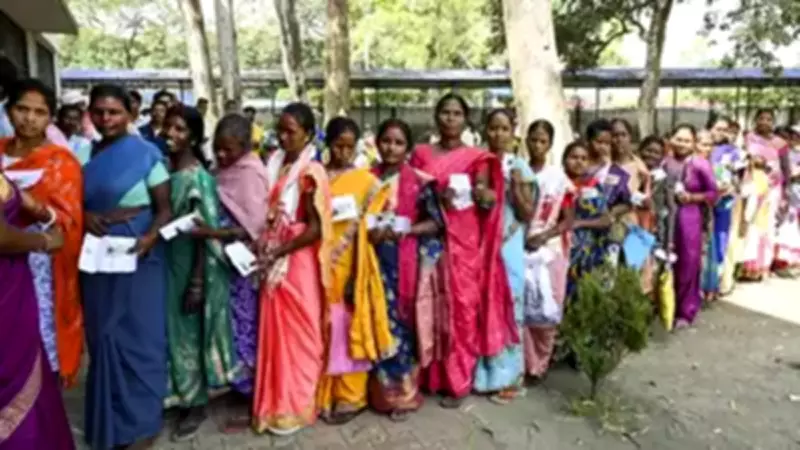
Jharkhand Municipal Elections 2026: Comprehensive Results Across All 20 Councils
The Jharkhand State Election Commission has officially declared the results for the highly anticipated municipal elections held across the state in 2026. These elections, which took place for all 20 urban local bodies, have drawn significant attention from political analysts and citizens alike, marking a crucial moment in the state's local governance landscape.
Overview of the Election Process and Turnout
The municipal polls were conducted in a phased manner to ensure smooth and fair voting across various regions of Jharkhand. Voter turnout was reported to be robust, with citizens actively participating in the democratic process to elect their representatives for urban councils. The elections covered key municipalities and municipal corporations, focusing on issues such as urban development, sanitation, and local infrastructure.
Detailed Breakdown of Results by Council
Here is a summary of the outcomes for the 20 councils:
- Ranchi Municipal Corporation: The ruling party secured a majority, winning key wards and strengthening its hold in the state capital.
- Jamshedpur Notified Area Committee: Opposition parties made significant gains, capturing several seats in this industrial hub.
- Dhanbad Municipal Corporation: A close contest resulted in a split verdict, with no single party achieving a clear majority.
- Bokaro Steel City Municipal Corporation: The incumbent party retained control, highlighting voter satisfaction with previous governance.
- Hazaribagh Municipal Council: Independent candidates performed well, indicating a shift away from traditional political alliances.
- Deoghar Municipal Council: A coalition of regional parties emerged victorious, showcasing local political dynamics.
- Giridih Municipal Council: The election saw a high voter turnout, with the ruling party maintaining its dominance.
- Ramgarh Municipal Council: Opposition forces won a majority, signaling changing political trends in this area.
- Medininagar Municipal Council: The results were evenly split, leading to potential alliances for council formation.
- Chatra Municipal Council: A single party achieved a sweeping victory, capturing almost all seats.
- Koderma Municipal Council: Voter apathy was noted, but the ruling party managed to secure a narrow win.
- Jhumri Telaiya Municipal Council: Independent candidates and smaller parties gained traction, disrupting major party plans.
- Mango Notified Area Committee: The opposition party won decisively, reflecting public discontent with current policies.
- Adityapur Municipal Council: A hung council resulted, with negotiations underway among parties to form a government.
- Chas Municipal Council: The ruling party consolidated its position with a strong majority.
- Gumla Municipal Council: Regional parties dominated, emphasizing local issues over state-level politics.
- Lohardaga Municipal Council: Voter turnout was exceptional, and the results favored the incumbent party.
- Simdega Municipal Council: A surprise victory for an independent candidate-led coalition shook up the political scene.
- Pakur Municipal Council: The election was marred by low participation, but the ruling party emerged victorious.
- Sahebganj Municipal Council: A tight race ended with the opposition party winning by a slim margin.
Political Implications and Analysis
The results of the Jharkhand municipal elections 2026 have significant implications for the state's political future. The ruling party's performance in key councils like Ranchi and Bokaro suggests continued public support in urban centers, while opposition gains in areas like Jamshedpur and Mango indicate growing challenges. Analysts note that these outcomes could influence upcoming state assembly elections, as municipal polls often serve as a barometer for broader political sentiments.
Furthermore, the success of independent candidates in councils such as Hazaribagh and Simdega highlights a trend toward localized governance and voter dissatisfaction with mainstream parties. This could lead to more fragmented political landscapes in certain regions, requiring coalition-building for effective council operations.
Next Steps and Governance Outlook
With all results now declared, the focus shifts to the formation of councils and the election of mayors and chairpersons. The Jharkhand State Election Commission has urged winning candidates and parties to prioritize urban development and public welfare in their agendas. Issues such as waste management, water supply, and road infrastructure are expected to be at the forefront of council discussions.
In summary, the 2026 municipal elections in Jharkhand have set the stage for dynamic local governance across its 20 urban bodies. The diverse outcomes reflect the complex political fabric of the state, with citizens playing a pivotal role in shaping their urban futures through the ballot box.