

Jharkhand Conducts Elections for 48 Urban Local Bodies with Enhanced Security Protocols
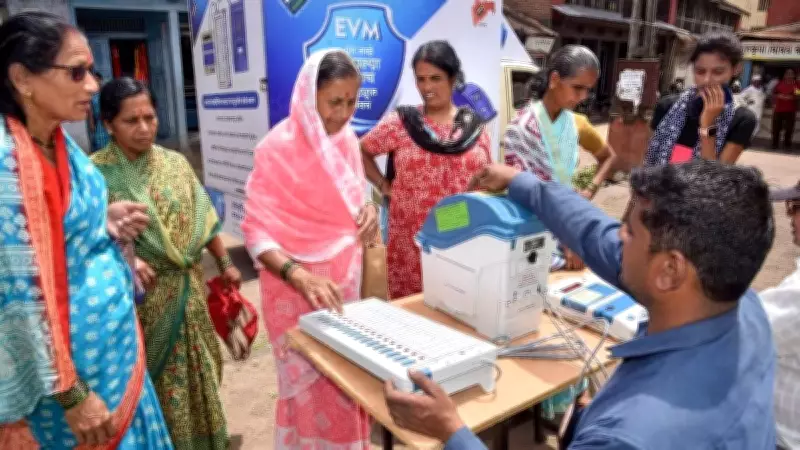
On February 23, 2026, the state of Jharkhand went to the polls to elect representatives for 48 urban local bodies, including municipal corporations, councils, and nagar panchayats. The electoral process unfolded under a comprehensive security blanket, with authorities deploying extensive measures to ensure a smooth and peaceful voting experience across the state.
Security Arrangements and Voter Turnout
In response to potential disruptions, law enforcement agencies implemented tight security protocols at all polling stations. This included the deployment of paramilitary forces, local police, and surveillance teams to monitor activities and prevent any untoward incidents. Voters were observed participating enthusiastically, with long queues forming early in the morning, reflecting the significance of these elections for local governance and community development.
Political Significance and Stakeholder Involvement
The elections are pivotal for shaping the administrative framework of Jharkhand's urban areas, impacting key sectors such as infrastructure, public services, and economic planning. Major political parties, including the ruling coalition and opposition groups, actively campaigned in the run-up to the polls, highlighting issues like urban development, job creation, and environmental sustainability. The outcomes are expected to influence the state's political landscape and set the tone for future electoral battles.

Challenges and Administrative Measures
Authorities faced logistical challenges in organizing the elections, given the diverse geographic and demographic spread of the urban bodies. To address this, the State Election Commission coordinated with local administrations to streamline voting procedures, ensure accessibility for all voters, and maintain transparency throughout the process. Special arrangements were made for elderly and differently-abled voters to facilitate their participation.
Implications for Local Governance and Future Prospects
The results of these elections will determine the leadership of urban local bodies, which play a critical role in implementing state and central government schemes at the grassroots level. Analysts suggest that the polls could serve as a barometer for public sentiment ahead of larger state or national elections. As vote counting commences, stakeholders await the outcomes with keen interest, anticipating shifts in political dynamics and governance priorities in Jharkhand.






