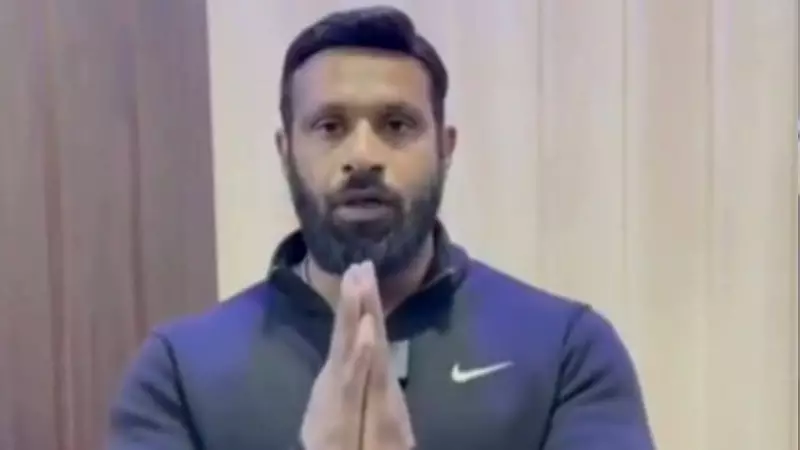
In a striking display of moral conviction, Mohammed Deepak, a resident of Jharkhand, has publicly declined a prestigious state award valued at Rs 2 lakh. This decision follows a recent confrontation he had with members of the Bajrang Dal, a right-wing Hindu nationalist organization, over an incident involving a Muslim shopkeeper.
Background of the Confrontation
The controversy began when Mohammed Deepak intervened in a situation where Bajrang Dal activists were allegedly harassing a Muslim shopkeeper in Jharkhand. According to reports, the activists were pressuring the shopkeeper over issues related to his business practices, which Deepak perceived as unjust and discriminatory. He stepped in to defend the shopkeeper, leading to a heated exchange that highlighted tensions in the region.
Reasons for Declining the Award
Mohammed Deepak cited his confrontation with the Bajrang Dal as the primary reason for rejecting the Jharkhand award. In a statement, he emphasized that accepting the monetary honor would compromise his ethical stance against what he views as communal harassment. He expressed that his actions were driven by a commitment to social justice and equality, rather than seeking recognition or financial gain.

This move has sparked widespread discussion about the role of awards in public life and the importance of standing up for marginalized communities. Many have praised Deepak for his courage, while others have criticized the Bajrang Dal's alleged actions.
Implications for Jharkhand
The incident sheds light on the ongoing communal dynamics in Jharkhand, a state that has witnessed several such confrontations in recent years. It raises questions about the effectiveness of state awards in promoting social harmony and whether they can sometimes be seen as hollow gestures in the face of deeper societal issues.
Public and Political Reactions
Reactions to Mohammed Deepak's decision have been mixed. Supporters from various communities have lauded him as a hero for taking a stand against perceived injustice. On the other hand, some political groups have downplayed the incident, suggesting it is an isolated event. The Bajrang Dal has not issued an official response to the allegations, but the confrontation has fueled debates on social media and in local forums.
This case underscores the complex interplay between personal ethics and public recognition in India's diverse society. It serves as a reminder that awards, while intended to honor contributions, can sometimes become entangled in broader social and political conflicts.
Conclusion
Mohammed Deepak's rejection of the Rs 2 lakh Jharkhand award is more than just a personal decision; it is a symbolic act that challenges the status quo. By linking his refusal to the confrontation with the Bajrang Dal, he has brought attention to issues of communal tension and the moral responsibilities of citizens. As this story unfolds, it may inspire others to reflect on the true value of awards and the importance of standing up for one's principles in the face of adversity.