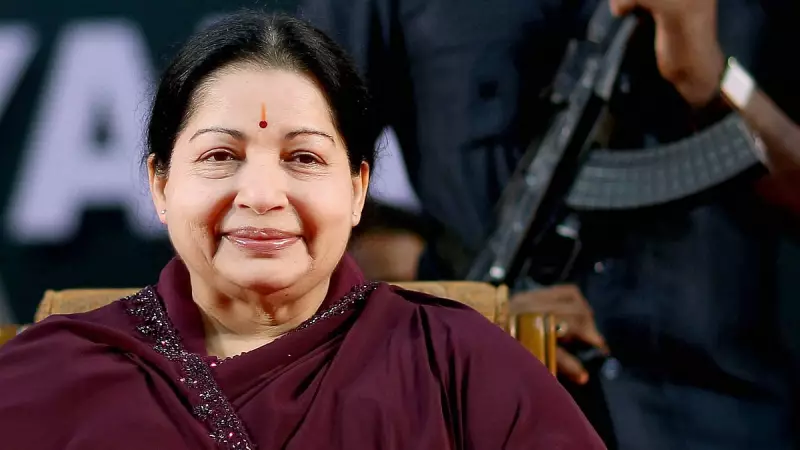
Senior leaders and cadres of the All India Anna Dravida Munnetra Kazhagam (AIADMK) gathered on Friday to pay solemn tributes to their former supremo, J Jayalalithaa, on the occasion of her death anniversary. The event saw the party's top brass remembering the late leader's legacy while also making pointed political statements about the current scenario in Tamil Nadu.
Palaniswami's Call to End Dynastic Politics
In a significant address during the commemorative events, AIADMK's general secretary Edappadi K Palaniswami made a direct appeal to the party's rank and file. He called upon them to unite and work towards ending what he termed the "family rule" in Tamil Nadu. This remark is widely seen as a critique of the ruling Dravida Munnetra Kazhagam (DMK) government, led by Chief Minister M K Stalin, and its perceived dynastic structure.
Palaniswami's statement underscores the AIADMK's attempt to position itself as an alternative that upholds the legacy of its iconic leader, who was not from a political family. The appeal aimed to galvanize party workers ahead of future electoral battles by drawing a clear contrast with the incumbent administration.
Remembering 'Amma's' Legacy and Sacrifices
The anniversary also evoked emotional recollections from former party members. K A Sengottaiyan, a former AIADMK leader who recently joined actor Vijay's political outfit, Tamilaga Vettri Kazhagam (TVK), took the opportunity to recall Jayalalithaa's immense contributions.
He spoke fondly of her "sacrifices" for the people of Tamil Nadu and expressed confidence that her fame and the impact of her work would endure forever. Such tributes, even from those who have moved to other parties, highlight the enduring and cross-political respect commanded by the former chief minister, popularly known as "Amma" (mother) to her supporters.
A Day of Reflection and Political Posturing
The death anniversary, observed on December 5, served as both a moment of reflection and a platform for political messaging. For the AIADMK, it was a day to reconnect with its core identity built around Jayalalithaa's towering personality and welfare-oriented governance model.
The dual narrative of the day—honoring a beloved past leader while critiquing the present government's style of rule—sets the stage for the AIADMK's strategy as it seeks to rebuild and challenge the DMK's dominance in the state. The emphasis on anti-dynasty politics is likely to be a recurring theme in its campaign rhetoric moving forward.