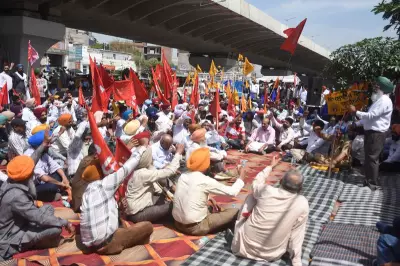
A significant protest erupted in Jalandhar on Tuesday as journalists from across the region united to voice their strong opposition against the filing of First Information Reports (FIRs) against members of the press. The demonstration, organized by the Punjab Press Club, saw a large gathering of media professionals who marched from the local press club to the office of the Commissioner of Police. Their core demand was clear: the immediate withdrawal of cases filed against journalists and a firm guarantee of press freedom.
The March and Core Demands
The protest march was a direct response to what the journalistic community perceives as an alarming trend of intimidation and legal harassment. Carrying placards and raising slogans in support of a free press, the protesters submitted a detailed memorandum to the Commissioner of Police. The document outlined their primary grievances and called for concrete action from the authorities.
The memorandum explicitly demanded the withdrawal of all FIRs lodged against journalists in recent incidents. Furthermore, it insisted on the establishment of a clear and transparent mechanism. This system would require police to first approach the district's Deputy Commissioner and the leadership of journalist unions before initiating any legal action against a media person for their professional work. This, the protesters argued, is essential to prevent the misuse of power and to safeguard constitutional rights.

Leaders Condemn Police Action
Addressing the assembled crowd, prominent leaders from various journalist associations condemned the police actions in strong terms. Press Club President Ashok Kumar Gupta emphasized that filing FIRs against journalists for simply doing their job sets a dangerous precedent. He stated that such moves are a direct attack on democracy and the fundamental right to freedom of expression enshrined in the Indian Constitution.
Other senior figures, including Dharmendra Rataul and Rajesh Gathwala, echoed these sentiments. They warned that subjecting journalists to police investigations and legal battles for their reports creates a climate of fear. This environment of intimidation, they argued, forces journalists into self-censorship, which ultimately deprives the public of truthful and critical information. The leaders unanimously declared that the protest would be the first step, and the agitation would be intensified if their demands were not met promptly.
Broader Implications for Media Freedom
This protest in Jalandhar is not an isolated event but reflects a growing concern among media professionals across India. The incident underscores the escalating tensions between law enforcement agencies and the press. When journalists face legal repercussions for their reporting, it sends a chilling message throughout the industry, potentially stifling investigative journalism and holding power to account.
The journalists' demand for a structured protocol involving the Deputy Commissioner and union leaders before any FIR is filed seeks to introduce a layer of checks and balances. It aims to ensure that any legal action is justified and not merely a tool to silence critical voices. The outcome of this protest could set a significant precedent for how similar situations are handled in Punjab and other states, impacting the future of media rights and freedom of the press in the region.
The ball is now in the court of the police administration. How they respond to these demands will be closely watched by media bodies and civil society organizations alike, as it will directly reflect the state's commitment to upholding democratic values and protecting those who work to inform the public.