Himachal Pradesh Grapples with Sharp 20% Drop in Revenue Receipts
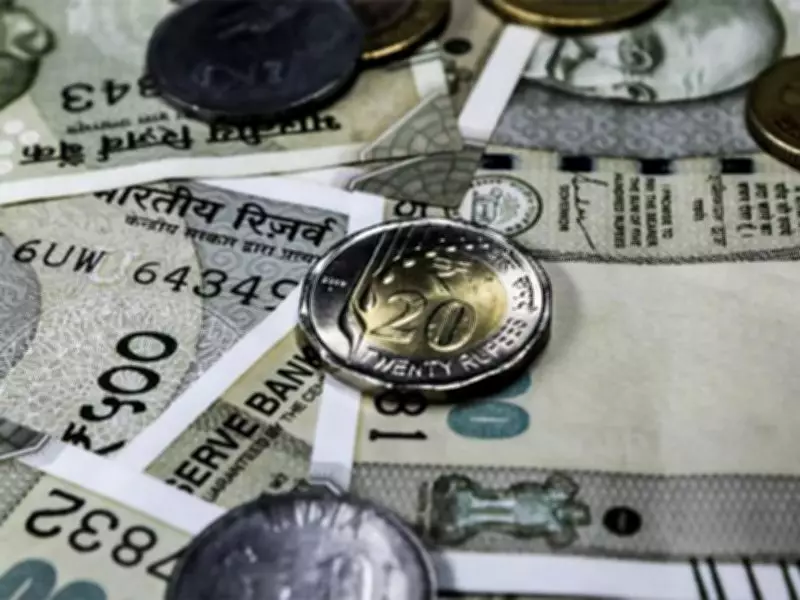
The state of Himachal Pradesh is currently facing a severe fiscal challenge, with projections indicating a substantial 20% decline in its total revenue receipts. This downturn has sparked widespread concern among policymakers and economists, as it threatens to undermine the state's financial stability and its ability to fund essential public services.
Understanding the Revenue Shortfall
According to recent reports, Himachal Pradesh's revenue receipts are expected to fall short by approximately one-fifth compared to previous estimates. This significant dip is attributed to a combination of factors, including reduced tax collections, lower-than-anticipated grants from the central government, and broader economic slowdowns impacting the region.
The implications of this revenue decline are far-reaching. It could lead to budget deficits, forcing the state government to either cut spending on critical sectors like healthcare, education, and infrastructure or increase borrowing, which might exacerbate debt levels. Fiscal experts warn that such a scenario could hamper long-term development goals and affect the overall quality of life for residents.

Potential Causes and Economic Context
Several elements contribute to this alarming situation:
- Decreased tax revenues: A slowdown in economic activities, possibly due to factors like reduced tourism or industrial output, has led to lower collections from state taxes.
- Central fund reductions: Changes in central government allocations or delays in disbursements may have played a role in the shortfall.
- External economic pressures: Broader national or global economic trends, such as inflation or supply chain disruptions, could be impacting Himachal Pradesh's financial inflows.
This revenue dip comes at a time when many Indian states are grappling with similar fiscal strains, highlighting the need for robust financial management and strategic planning. In Himachal Pradesh, the situation is particularly critical given its reliance on sectors like tourism and agriculture, which are vulnerable to economic fluctuations.
Government Response and Future Outlook
State authorities are reportedly assessing measures to address the revenue gap. Potential strategies might include:
- Implementing austerity measures to reduce non-essential expenditures.
- Exploring new revenue streams or enhancing tax compliance efforts.
- Seeking additional support from the central government to bridge the fiscal gap.
However, the road ahead remains challenging. If the revenue decline persists, it could lead to delayed projects, reduced public investments, and increased financial stress for the state. Stakeholders, including citizens and businesses, are urged to stay informed as developments unfold.
In conclusion, Himachal Pradesh's 20% dip in total revenue receipts serves as a stark reminder of the fiscal vulnerabilities faced by states in today's dynamic economic environment. Proactive governance and collaborative efforts will be crucial in navigating these challenges and ensuring sustainable growth for the region.