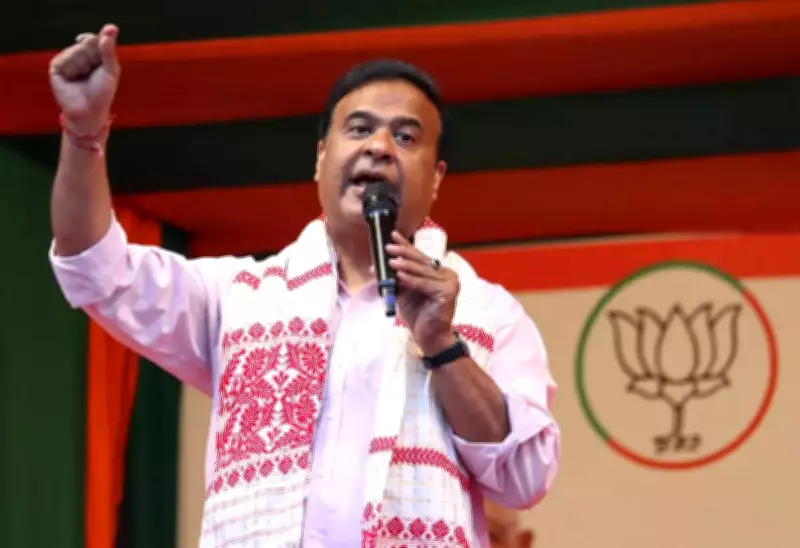
Himanta Sarma Defends 'Miyan' Remark as Effort to Protect Assam's Identity
Assam Chief Minister Himanta Biswa Sarma has responded to opposition criticism over his recent remarks regarding "Miya Muslims," asserting that his comments are part of a broader effort to safeguard the state's cultural and demographic identity. Speaking in Golaghat on Thursday, Sarma clarified that the term "Miya" was not coined by him but is used by individuals who have migrated from Bangladesh to refer to themselves.
Clarification on the Term 'Miya'
The Chief Minister emphasized that he merely reiterated this self-identification, stating, "People who have come from Bangladesh call themselves 'Miya,' and I have only repeated what they say." He argued that his statement is being deliberately misinterpreted for political gain, accusing opposition parties of fabricating controversy to divert attention from substantive issues.
Political Backlash and Misinterpretation
Sarma accused the opposition of engaging in what he described as unnecessary political maneuvering, suggesting that their criticism is aimed at undermining his government's initiatives. This incident has reignited a long-standing political row in Assam, with opposition groups targeting Sarma over his language and comments, which they claim are divisive and inflammatory.

Broader Implications for Assam
The controversy has once again sparked intense debate over key issues in the state, including:
- Identity Politics: Discussions around cultural and ethnic identity in Assam, particularly in the context of migration.
- Migration Patterns: The ongoing discourse on migration from Bangladesh and its impact on Assam's demographics.
- Political Rhetoric: The role of language and statements by political leaders in shaping public opinion and policy debates.
Sarma's defense highlights his stance that such remarks are necessary to address what he perceives as threats to Assam's unique identity, framing the opposition's reaction as an attempt to politicize a straightforward observation. The situation underscores the volatile nature of identity-based politics in the region, with potential implications for upcoming electoral dynamics and social harmony.