Himachal Pradesh Confronts Massive Annual Revenue Shortfall of Rs 10,000 Crore
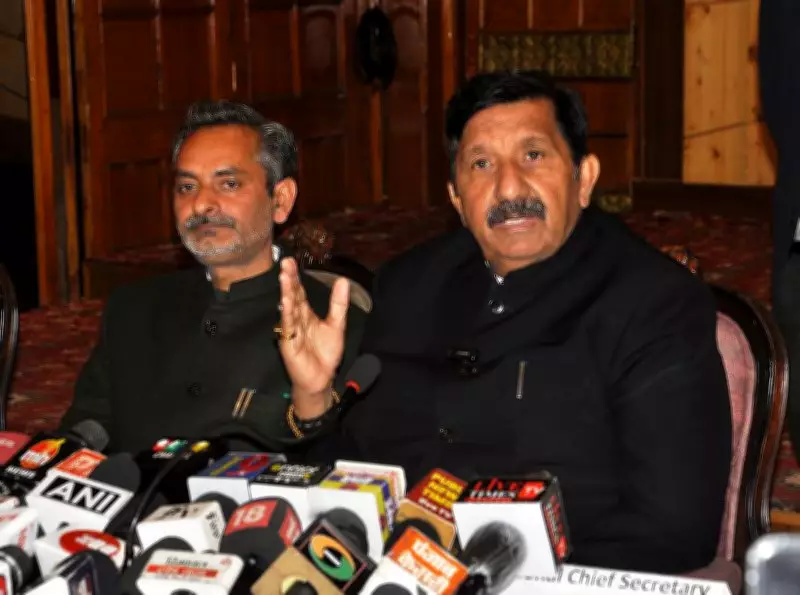
In a significant disclosure that has sent shockwaves through the state's financial corridors, the Deputy Chief Minister of Himachal Pradesh has revealed that the state is poised to suffer an annual revenue loss of a staggering Rs 10,000 crore. This alarming figure underscores the severe fiscal challenges confronting the hill state, potentially jeopardizing its developmental agenda and public welfare initiatives.
Central Policies Blamed for the Financial Setback
The Deputy CM attributed this substantial financial hemorrhage primarily to certain policies and decisions implemented by the central government. While specific details were not elaborated upon in the initial announcement, it is understood that changes in tax devolution, grants, or other fiscal mechanisms are at the heart of this issue. This revelation highlights the ongoing tensions between state and central authorities over resource allocation, a common point of contention in Indian federalism.
The loss of such a colossal amount annually is expected to have far-reaching implications for Himachal Pradesh's economy. The state, known for its picturesque landscapes and tourism potential, relies heavily on government spending to fund infrastructure projects, social schemes, and administrative functions. A shortfall of this magnitude could force the state government to make tough choices, potentially scaling back on planned expenditures or seeking alternative revenue sources.

Potential Impact on Development and Welfare
The ramifications of this revenue loss are likely to be profound. Key sectors that might bear the brunt include:
- Infrastructure Development: Road construction, public transportation upgrades, and urban development projects could face delays or reductions in scope.
- Social Welfare Schemes: Programs aimed at healthcare, education, and poverty alleviation may see funding cuts, affecting the most vulnerable populations.
- Agricultural and Rural Support: Initiatives supporting farmers and rural communities, crucial in a predominantly agrarian state like Himachal, might be compromised.
- Tourism Promotion: Efforts to boost tourism, a vital economic driver, could be hampered due to limited financial resources.
Moreover, this financial strain comes at a time when states across India are grappling with post-pandemic recovery and inflationary pressures. The Deputy CM's statement serves as a stark reminder of the fiscal vulnerabilities that state governments often face, dependent as they are on central transfers and their own limited revenue-generating capacities.
Looking Ahead: Strategies and Responses
In response to this daunting challenge, the Himachal Pradesh government is expected to explore various strategies to mitigate the impact. These could include:
- Enhanced Revenue Mobilization: Strengthening tax collection efforts and exploring new revenue streams to bolster the state's own resources.
- Efficiency Measures: Implementing cost-cutting and efficiency improvements in government operations to optimize existing funds.
- Dialogue with the Centre: Engaging in negotiations with the central government to seek revisions or compensations for the perceived losses.
- Prioritization of Expenditures: Focusing spending on high-priority areas to ensure critical services and projects are not unduly affected.
The Deputy CM's revelation has sparked discussions among policymakers, economists, and the public alike, with many calling for a thorough review of fiscal federalism in India. As Himachal Pradesh navigates this financial turbulence, the coming months will be crucial in determining how the state adapts to this new reality and safeguards its developmental goals.