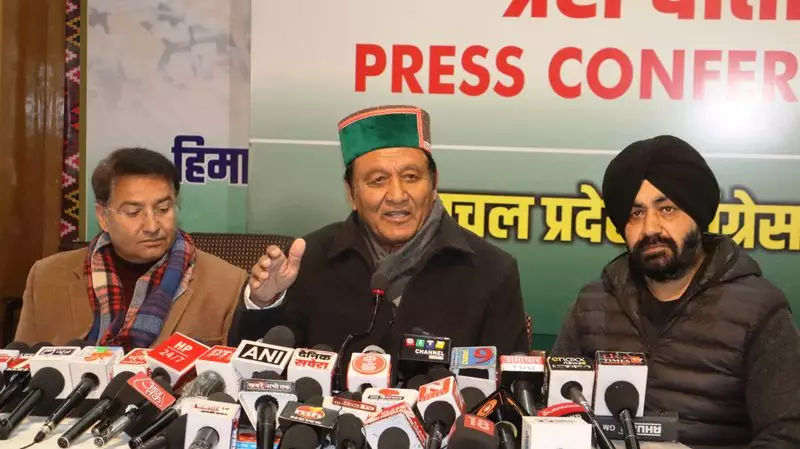
In a sharp critique of the central government's recent policy shift, senior CPM leader and Himachal Pradesh MLA Rakesh Singha has vehemently opposed the decision to repeal the Mahatma Gandhi National Rural Employment Guarantee Act (MGNREGA). The veteran politician, representing Theog constituency, has raised alarm bells over the profound negative impact this move will have on rural livelihoods and the financial health of hill states like Himachal Pradesh.
A Lifeline for Rural Himachal Under Threat
Singha, addressing the media in Shimla, underscored the critical role MGNREGA has played in the state's rural economy. He highlighted that the scheme was not merely a source of employment but a fundamental pillar supporting the agrarian community and landless laborers, especially during the lean winter months when other work opportunities dry up. The guarantee of 100 days of wage employment per household has been a crucial social safety net.
The CPM leader presented a stark picture of the scheme's contribution, noting that Himachal Pradesh has received approximately Rs 1,200 crore under MGNREGA in the current financial year. This substantial infusion of central funds, he argued, directly supports rural incomes and stimulates local economies. Its abrupt removal, according to Singha, would create a massive financial and employment vacuum that the state government would be ill-equipped to fill on its own.
Accusations of Undermining Federalism and Rural Poor
Singha's criticism extended beyond the economic implications to the political and structural aspects of the decision. He framed the repeal as a direct assault on the principles of federalism, accusing the Centre of unilaterally dismantling a centrally sponsored scheme without consultation with state governments. This, he contended, disregards the specific needs and challenges of states like Himachal Pradesh, which have unique geographical and economic constraints.
Furthermore, the MLA launched a scathing attack on the ruling BJP's motives. He alleged that the government is systematically withdrawing from its responsibilities towards the rural poor and is instead favoring corporate interests. "The government is working for the benefit of capitalists and is withdrawing from its responsibility towards the poor," Singha stated emphatically. He connected this move to a broader pattern of reducing welfare spending and undermining rights-based legislation that empowers the marginalized sections of society.
Consequences and a Call to Action
The potential consequences of repealing MGNREGA, as outlined by Singha, are severe for a hill state. He warned of a significant rise in rural distress, increased migration from villages to cities due to lack of work, and heightened financial pressure on the state exchequer. The loss of this employment guarantee could reverse developmental gains and exacerbate poverty in remote areas.
In response to this perceived crisis, Rakesh Singha called for a united and vigorous opposition. He urged all democratic and progressive forces, as well as the general public, to strongly resist this decision. He emphasized the need for a collective struggle to force the central government to reconsider and reinstate the vital scheme. The repeal of MGNREGA, in his view, is a battle for the rights and dignity of rural workers, and the fight against it must be uncompromising.
The strong condemnation from a seasoned leader like Singha highlights the deepening political rift over welfare policies and sets the stage for a contentious debate on the future of rural employment guarantees in India. The move has placed the Himachal Pradesh government, led by the Congress party, in a difficult position, as it must now navigate the fallout from a central decision that directly impacts its electorate.